Category: filipino food

  • The Creamy and Spicy Bicolano Dish You Need to Try

    The Creamy and Spicy Bicolano Dish You Need to Try

    What makes Laing Bicolano dish stand out as a Filipino masterpiece is just because of the contrasting elements, which gives the tasty combination of smooth coconut milk with bold chilies. Diners from the Bicol region consider “pinangat na gabi” by its traditional name but this dish makes its way onto every adventurous culinary palate. Laing Bicolano dish presents an extraordinary combination of luxurious coconut milk texture and spicy flavour, which satisfies both comfort food lovers, and collectors of Bicolano traditional dishes.

    What Makes Laing Special?

    Did you try the Authentic Bicolano Laing? If not, then you must try it. Authentic Laing Bicolano dish sets apart is its slow-cooked preparation, which allowing the flavours to meld beautifully. The perfect Laing is creamy, mildly spicy, and bursting with umami flavours from shrimp paste and coconut milk. Unlike other Filipino dishes, Laing stands out with its rich and velvety texture, making it a unique delicacy worth savouring.

    Key Ingredients

    • Dried taro leaves (gabi leaves) – Essential for texture and taste.
    • Coconut milk & coconut cream – The secret to its signature creamy consistency.
    • Pork belly – Adds richness (can be substituted with smoked fish for a healthier option).
    • Shrimp paste – Enhances the dish with deep umami flavours.
    • Chili peppers – The source of its signature spice, which can be adjusted based on preference.
    • Lemongrass and ginger – Give an aromatic touch, enhancing the overall taste.

    Why you’ll Love It

    Laing Bicolano dish gives the perfect combination of creamy and spicy flavour and people who love food definitely like this delicious taste.

    The perfect mix of coconut cream and milk creates a silky texture it gives rich and creamy flavor. It is a perfectly spiced one; you can adjust the heat to your liking, making it versatile for all spice levels. Authentic Laing uses simple, locally available ingredients, which making it an affordable yet flavourful dish and it is packed with vitamins from gabi leaves and protein from pork or fish. Laing Bicolano offer authentic Filipino Experience, a dish deeply rooted in Bicolano cuisine that brings a taste of the Philippines to your table.

    How to Prepare Authentic Bicolano Laing

    Safety First

    Always use dried taro leaves to avoid irritation and source them from reputable vendors. Fresh gabi leaves contain calcium oxalate crystals, which can cause itchiness if not properly dried and cooked.

    Step-by-Step Cooking Guide

    • Prepare the taro leaves: Check for impurities and avoid washing them to retain flavour.
    • Sauté aromatics: Cook garlic, onions, and ginger until fragrant.
    • Cook the pork belly: Add shrimp paste and let the flavours develop.
    • Simmer in coconut milk: Add lemongrass and chilies for depth.
    • Add coconut cream: Let it cook until orange-red oil appears on top.
    • Season and serve: Pair with steamed rice for the best experience.

    Pro Tips for the Best Laing:

    The best Laing has visible orange oil on top, indicating that the coconut cream has properly reduced. Do not stir Laing immediately; let the coconut milk absorb into the gabi leaves for better texture. For a vegetarian version, substitute pork with tofu or mushrooms.

    Serving and Enjoying Laing

    Best Ways to Eat Laing are Serve hot with steamed rice for a traditional meal that enhances its rich flavours. Pair with grilled fish like bangus (milkfish) or tilapia for a balanced taste. Enjoy as pulutan with an ice-cold beer, making it a great appetizer or side dish.

    Must-Try Filipino Food Combos

    Laing pairs well with other Filipino favourites. For more detailed information read 7 Must-Try Filipino Food Pairings at Shore Time Pinoy to experiment new ways to enjoy this dish.

    Troubleshooting and Alternatives

    Common Issues and Fixes

    • Too itchy: Ensure taro leaves are dried and cooked properly to remove irritants.
    • Curdled coconut milk: Keep the heat low and avoid boiling.
    • Too dry: Add more coconut milk gradually to keep it moist and creamy.
    • Too spicy: Reduce the number of chili peppers or remove the seeds.

    Ingredient Substitutes

    • Pork belly →Smoked fish, dried fish, or tofu for a lighter version.
    • Thai chilies → Bird’s eye chilies or chili flakes to adjust spice levels.
    • Coconut cream → Evaporated milk and a bit of butter as a dairy alternative.

    Laing in Qatar: A Taste of Home

    At Shore Time Pinoy, the best Filipino Restaurant in Qatar and there you can enjoy authentic pinoy food, which bringing the flavours of Bicolano cuisine to your table. Whether you are a Filipino expat or a food lover exploring new dishes, this creamy and spicy delight is a must-try.

    Visit Shore Time Pinoy, your go-to Filipino Restaurant in Qatar, for the best Pinoy food in Qatar. We use fresh, high-quality ingredients used in every dish and provide authentic Bicolano flavours straight from the Philippines.

    Conclusion

    Laing is more than just a Filipino food; it is a flavourful journey into the heart of Filipino cuisine. Its creamy texture, spicy kick, and rich flavours make it a standout meal. Whether you are in Qatar or anywhere else, experiencing the taste of authentic Laing Bicolano dish is a must try item for any food enthusiast.

    Ready to taste authentic Laing Bicolano? Visit Shore Time Pinoy and savour the authentic taste of Laing today.


  • The Ultimate Guide to Side Dishes for Hipon Alimasag sa Gata

    The Ultimate Guide to Side Dishes for Hipon Alimasag sa Gata

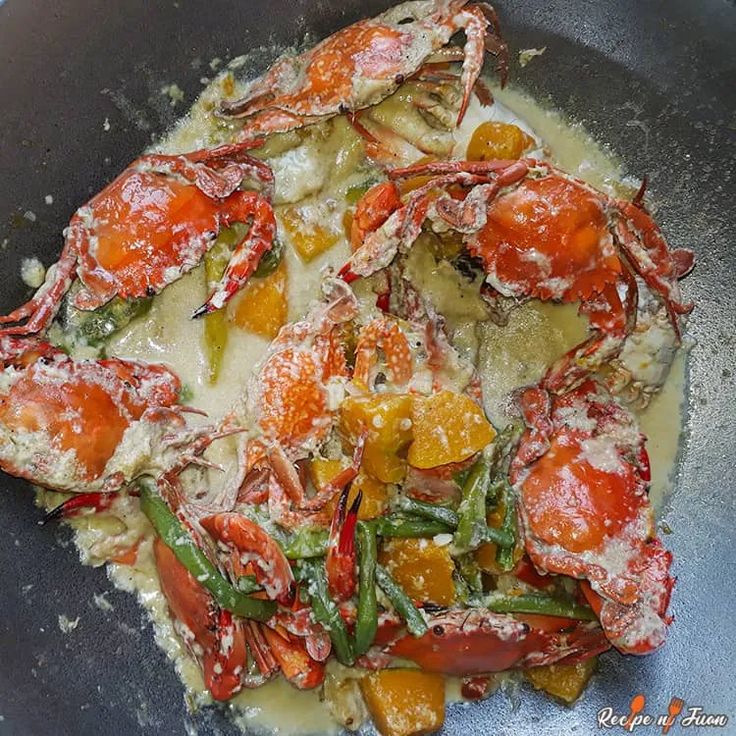
    Hipon Alimasag sa Gata is a beloved Filipino dish that brings together the rich, creamy flavours of shrimp and crab cooked in coconut milk. This delightful seafood delicacy is a staple in Filipino cuisine, offering a balance of savoury, slightly sweet, and umami flavours that make every bite irresistible. To elevate your dining experience, pairing Hipon Alimasag sa Gata with the right Filipino side dishes is essential. Whether you are looking for traditional Filipino sides or modern, creative pairings, we have you covered. Moreover, if you are in Qatar, Shore time Pinoy is the go-to destination for authentic Filipino food and ingredients.

    What is Hipon Alimasag sa Gata?

    Typical Filipino seafood dish achieves its flavours by combining shrimp (hipon) and crab (alimasag) with gata or coconut milk together with garlic and onions and ginger and hot chili for extra spice. Coconut milk stands as a foundational ingredient in Filipino cuisine since it provides both richness and taste to well-known traditional Filipino recipes. Filipinos love coconut-based recipes so much that they become passionate about the nut itself.

    Why Side Dishes Matter

    The right side dish selection brings out the best of Hipon Alimasag sa Gata by uniting its luxurious texture with complementary food elements. Side dishes should introduce complementary elements to the main dish to allow Coconut milk-infused seafood to stay the outstanding component of the meal without taking dominance.

    Traditional Sides

    Traditional Filipino side dishes serve seafood dishes exceptionally well due to their unmatched pairings. The cooking process known as roasting deepens the natural sweetness of carrots, asparagus, zucchini and bell peppers thus making them pair perfectly with creamy seafood. The creaminess of potatoes comes in two forms: roasted rosemary-infused fingerling potatoes or garlic butter-infused mashed potatoes, which create contrast to the seafood’s texture. A zippy sauce made with lemon, garlic serves as an ideal condiment for crab, and shrimp since it delivers tangy flavour, which counters the richness of coconut milk.

    Fast & Easy Sides

    For those short on time, here are some quick yet delicious side dish ideas:
    • French Fries: Classic, crispy, and easy to prepare. Variations like cottage fries or sweet potato wedges work just as well.
    • Raw or Steamed Vegetables: Light and refreshing, these offer a crunchy contrast to the creamy main dish.
    • Flavoured Dips and Sauces: A quick mix of mayonnaise with dill, Dijon mustard, or chipotle seasoning can elevate your meal in seconds.

    Unique & Modern Sides

    For a complete Filipino dining experience, check out our related articles: 7 Must-Try Filipino Food Combos at Shore time Pinoy and Top 5 Filipino Soups That Are both Nutritious and Delicious.
    Choose us to experience the authentic Filipino ingredients you need at Shore time Pinoy, the best Filipino Food Center Qatar.
    For authentic Pinoy Food Qatar, explore a variety of ingredients for your favourite Filipino dishes.

    FAQ Section

    What makes a good side dish for Hipon Alimasag sa Gata?
    A good side dish complements the creamy, rich flavour without overpowering it. Fresh, tangy, or slightly acidic sides work best.

    Can I prepare these side dishes ahead of time?
    Yes, many can be prepped in advance. Salads and steamed vegetables can be made ahead, while items like French fries are best served fresh.
    Where can I find authentic Filipino ingredients in Qatar?
    Shore time Pinoy’s Filipino Food Center Qatar offers a wide range of ingredients to make these dishes at home.

    Conclusion

    Hipon Alimasag sa Gata is a delightful seafood dish that becomes even more enjoyable when it paired with the right side dishes. From traditional Filipino staples to modern and unique options, there are plenty of ways to enhance your meal. Visit Shore time Pinoy to get the best Filipino ingredients and recreate this authentic culinary experience in your home today.
    Final Call to Action: Visit Pinoy Food Qatar to get all the ingredients you need.

  • Ampalaya with Egg Recipe: A Quick and Healthy Stir-Fry

    Ampalaya with Egg Recipe: A Quick and Healthy Stir-Fry

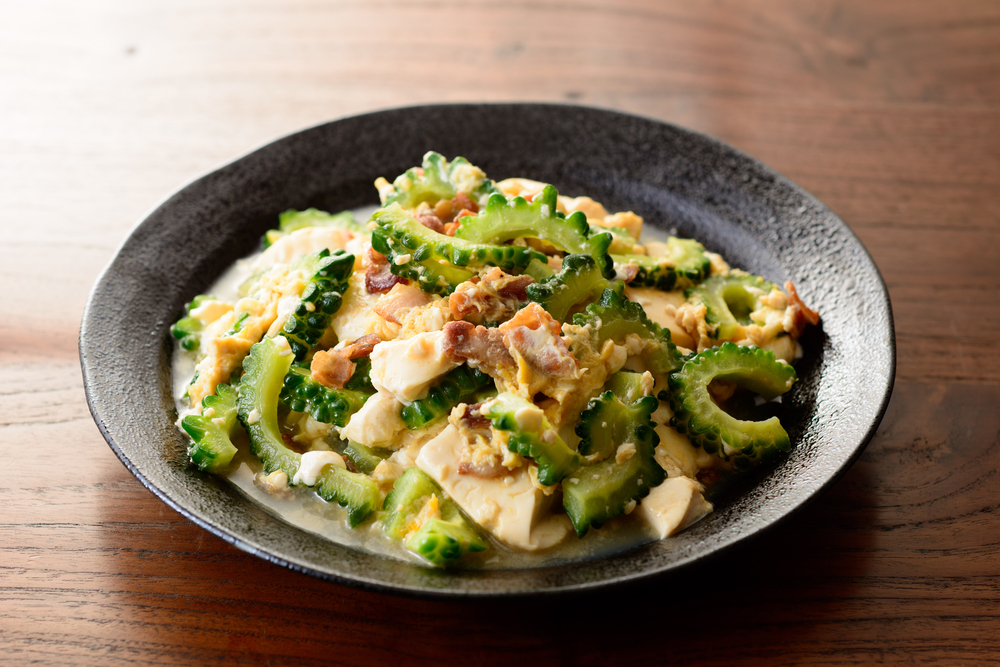
    Bitter gourd commonly called Ampalaya creates conflicting reactions among everyone who sees it because of its distinctive bitterness. Despite its strong bitterness, most Filipinos consider the vegetable essential because it features prominently in Filipino cooking specifically through egg stir-frying. The delicious dish Ampalaya with Egg serves to turn the disliked ingredient Ampalaya into a tasty and wholesome culinary creation that will reshape public perception towards it. This blog provides guidelines about making Ampalaya with Egg preparation while highlighting its nutritional advantages, bitter ground recipe and suggests methods for making it suitable to all taste preferences.

    Why You Should Try Ampalaya with Egg

    The Filipino vegetable dish delivers something special in terms of both culinary experience and nutritional value. The nutritional benefits of Ampalaya includes both dietary fiber and Vitamin A, which play critical roles for good wellbeing. Sustained Ampalaya consumption leads to improved blood sugar control along with lower cholesterol levels according to research therefore making it usable for health management.
    The recipe uses no expensive components because it needs basic ingredients that lie within your available kitchen supplies. This dish matches the needs of people who need fast meals that deliver careful nutrition along with delicious taste. You should absolutely attempt this beneficial meal choice today. The outcome could introduce you to a novel food preference.

    Tips to Reduce Bitterness in Your Ampalaya with Egg

    For those who are hesitant about the bitterness of Ampalaya, fear not. There are several effective cooking tips to help reduce bitterness and its sharp flavour:

    Rubbing with Salt: Lightly rub salt over the cut Ampalaya to draw out some of its bitter sap.
    Soaking in Salt Water: Soak the Ampalaya slices in a mixture of salt and water for about 30 minutes, then rinse thoroughly. This method significantly reduces bitterness.
    Simmering: Cooking Ampalaya properly allows other flavours to shine through, balancing the taste.

    Understanding the science behind these methods is key. When Ampalaya is soaked in boiling salt water, it helps release the natural juices that contribute to its bitterness. Squeezing out the extra juices before cooking can further enhance the dish’s overall flavour profile.

    Ampalaya with Egg Recipe: Step-by-Step Guide

    Now that you are ready to tackle this delicious dish, here is a simple recipe for Ginisang Ampalaya that you can follow:
    Ingredients:

    • 2 medium-sized Ampalaya, sliced
    • 2 eggs, beaten
    • 2 cloves of garlic, minced
    • 1 onion, sliced
    • 2 tomatoes, diced
    • Cooking oil
    • Salt and pepper to taste

    Cooking Instructions:

    Step 1. Sauté Garlic, Onion, and Tomatoes: Heat oil in a pan over medium heat. Add minced garlic, sliced onion, and diced tomatoes. Sauté until fragrant and the tomatoes are soft.
    Step 2. Add Ampalaya: Toss in the sliced Ampalaya and stir-fry for about 5 minutes, or until it starts to soften.
    Step 3. Pour in Beaten Eggs: Create a space in the center of the pan and pour in the beaten eggs. Scramble them gently, mixing with the Ampalaya until fully cooked.
    Season: Add salt and pepper to taste.
    This easy-to-follow guide ensures you create a flavourful bitter gourd recipe that everyone will enjoy.

    Serving Suggestions for Ampalaya with Egg

    To make the most out of your Ampalaya with Egg, consider serving it with a side of steamed rice to complete your meal. For a traditional Filipino experience, pair it with fried fish, such as tilapia or bangus, or complement it with dry meat dishes like fried chicken or Lechon kawali.
    If you are looking to explore authentic Filipino cuisine further, check out local options like the Filipino Restaurant in Doha where you can enjoy perfectly paired dishes that highlight the best of Filipino flavours.

    Health Benefits of Ampalaya

    Ampalaya is often hailed as a superfood due to its numerous health benefits. High in Vitamin C and antioxidants, this vegetable supports immune function, promotes bone health, and contributes to disease prevention. Additionally, it contains compounds that may aid in insulin regulation, making it a potential ally for those managing diabetes.
    As a superfood, incorporating Ampalaya into your diet can enhance your overall wellness, making it a worthwhile addition to any healthy eating plan.

    Conclusion

    The Ampalaya with Egg is not just a quick and healthy option; it is a delicious representation of Filipino cuisine, which deserves a spot on your dinner table. With its nutritional benefits and simple preparation, it is an ideal dish for anyone looking to embrace healthy eating without sacrificing flavour.
    Try this recipe and share your experiences with us! For those craving authentic Filipino flavours but short on time, do not hesitate to visit our Filipino Restaurant in Doha for a delightful dining experience.
    Contact us for experiencing this delicious taste.

  • Chicken Mami with Egg: A Hearty Filipino Comfort Food

    Chicken Mami with Egg is becoming more and more a popular comfort food. Having evolved from Philippine cuisine this thick noodle soup has been a favourite meal for Filipino families because of the smattering of flavours on palate and health benefits derived from its ingredients. In every case whether it be to find a warm blanket or cozy place to sit on a cold day or just a delicious snack that can be put together in a flash, this dish is ideal.

    What is Chicken Mami?

    The Filipino Chicken Mami has its origin in China although Filipino food is heavily influenced by Chinese food. This dish advanced over the plane to be distinctively Filipino, it comes with hot chicken soup, firm egg-noodles, juicy chicken strips and a well-cooked egg. It has fewer ingredients but the taste is rich and this has made it recipe to be everyone’s meal assortment.

    Ingredients You’ll Need

    Creating the perfect Chicken Mami with Egg requires fresh and simple ingredients. Here is the list of ingredients that you need for making different items.
    For the Soup Base:
    Chicken that is preferably with bones for a rich broth.
    Garlic, onions, and ginger
    Carrots, celery, and leeks for added depth
    For the Noodles:
    Egg noodles, thin or medium thickness, work best.
    For the Toppings:
    Hard-boiled egg
    Sliced green onions
    Fried garlic
    Additional Flavours:
    Add soy sauce, fish sauce, salt, and pepper for seasoning.
    Corn-starch to thicken the broth (optional)

    How to Make Chicken Mami with Egg from Scratch

    Just follow these simple steps to prepare this comforting dish:
    Step 1: Prepare the Chicken: Boil the chicken with garlic, onions, and ginger until tender. Take out the chicken, shred it into small pieces, and set it aside.
    Step 2: Prepare the Broth: Strain the boiled liquid to remove solids, creating a clear, flavourful broth. Season with soy sauce, fish sauce, salt, and pepper.
    Step 3: Cook the Noodles: Boil the egg noodles until tender, then drain and set aside.
    Step 4: Assemble the Dish: Place the noodles in a bowl, pour the hot broth over them, add shredded chicken, and top with green onions, fried garlic, and a halved boiled egg.
    Step 5: Serve and Enjoy: Serve piping hot and pair with a side of calamansi or soy sauce for added zest.
    Read: Pininyahang Manok: A Festive Favorite for Every Family Table

    Tips for the Perfect Chicken Mami

    Flavourful Broth, Noodle Alternatives and Custom Toppings are the simple tips for making Perfect Chicken Mami with egg.
    Flavourful Broth: Use chicken with bones to create a richer, more robust broth. Simmer the broth longer for deeper flavours.
    Noodle Alternatives: If egg noodles are not available, you can use rice noodles or ramen as a substitute.
    Custom Toppings: Add chili oil, sesame seeds, or a splash of sesame oil for a unique twist.
    Read: Top 10 Filipino Seafood Dishes That Will Wow Your Taste Buds

    Why You’ll Love Chicken Mami with Egg

    Chopsticks says that there is something ultimately reassuring about nuzzling into a bowl of warm and tender Chicken Mami with Egg. The base is a flavoursome chicken broth with tender noodles and silky egg to make a bowl that reminds you of a hug. It can be used all year round: when the weather is cold and you need a warm meal and when you have a rainy day and want to stay inside. Chicken Mami with Egg is a meal that people of different ages would go for, ranging from kids to grown-ups.

    The Best Filipino Restaurant in Qatar

    For those who simply want value for money and great Filipino taste, Shore Time Pinoy is perfect. As the country’s pride for being the home of one of the best Filipino restaurants in Qatar, Shore Time Pinoy invites patrons to taste their Chicken Mami with Egg that will remind patrons how good home cooked meals can be. Each bowl is prepared with the ingredients sourced from the market fresh to render the best flavours the customers can always crave for.
    Whether you are planning to eat at Shore Time Pinoy restaurant or order Filipino dishes online in Qatar, we have it all! Check out our menu of special Filipino dishes.

    Conclusion

    Chicken Mami with Egg is not just a meal but it is a representation of Filipino cuisine, moreover a comfort food, it brings solace. Simply making it from scratch, or eating it at Shore Time Pinoy, is well worth the encounter.
    Come to Shore Time Pinoy restaurant today or place your order online to have a taste of Filipino delights that you can have in Qatar. Quench your hunger for a delicious feast with the right Filipino food delivery service in Qatar.
    Get yummy comfort food straight to your doorstep; Contact Us Now

  • Seafood Bihon Guisado: A Flavourful Twist on a Filipino Favourite

    Seafood Bihon Guisado: A Flavourful Twist on a Filipino Favourite

    Bihon Guisado is one of the most popular Filipino noodle meals prepared from thin rice noodles, this delicacy enjoys popularity in homes and functions throughout the country of the Philippines. You can improve this very ordinary dish with the sweetness of the ocean. Seafood Bihon Guisado is then a one-a-kind Filipino dish that takes the concept of noodles that are familiar to the palate and mixes it with seafood that will definitely please the palate. This dish eclipses most Filipino dishes, making it a favourite among seafood lovers with its yummy flavour.

    What Makes Seafood Bihon Guisado Special?

    A Celebration of Fresh Seafood
    The soul of Seafood Bihon Guisado is seafood, fresh shrimp, squid, mussel, and sometimes-even clams. Every bite brings the taste of the sea; taste has been elevated as a kind of music making each palate a Hawaiian experience to the Philippines. This perfectly steamed seafood when served with rice noodles make a wonderful delicious dish that will surely make your tummy full.
    A Perfect Balance of Flavours
    This Filipino noodle dish has the ability to put the right amount of ingredients. These simple rice noodles soak up the rich taste of seafood and spices and the bright color of the carrots, cabbage, and bell peppers offers a bit of the sweetness and crisp texture. Soy sauce and calamansi imposed an extra flavour; an unusual combination of salty and tangy along with savoury really makes this dish very delicious.
    A Healthier Alternative
    Compared to meat-based versions, Seafood Bihon Guisado offers a lighter yet equally satisfying option. Packed with the nutritional benefits of seafood, rich in omega-3 fatty acids, lean protein, and essential vitamins and fresh vegetables, this dish is a wholesome alternative that does not compromise on flavour. Whether you are health-conscious or simply looking for a nutritious meal, this seafood-infused version of Bihon Guisado is a perfect choice.

    Where to Try Seafood Bihon Guisado in Qatar

    Shore Time Pinoy Restaurant: A Slice of Home for Filipino in Qatar
    Shore Time Pinoy, the best Filipino Restaurant in Qatar that provides the delicious Filipino flavour to those Filipinos in Qatar. Shore Time Pinoy is famous for using pure native recipes when preparing foods for its customers, which makes it provide authentic Filipino foods, and some of the iconic foods, which travellers to the Philippines should try, are Seafood Bihon Guisado. Whether you choose to eat in their restaurants or order your Filipino food online from their shops, you can trust us for high quality Filipino foods that will remind you of your Pinoy favourites.
    Why Shore Time Pinoy Stands Out
    What sets Shore Time Pinoy apart from other Filipino restaurants in Qatar is their dedication to quality and authenticity.
    Fresh Ingredients: Every dish is made with the freshest seafood and produce, ensuring premium quality.
    Authentic Taste: Prepared using traditional cooking techniques, their Seafood Bihon Guisado stays true to its Filipino roots.
    Welcoming Ambience: The restaurant’s friendly atmosphere makes it a perfect spot for enjoying meals with family and friends.

    How to Enjoy Seafood Bihon Guisado

    The versatility of Seafood Bihon Guisado makes it suitable for various dining occasions. Pair it with steamed rice or a splash of calamansi juice for an extra tangy kick. This dish is perfect for casual meals or as a standout option at family gatherings and special celebrations. Whatever the occasion, its comforting and flavourful profile ensures it will be a crowd-pleaser.

    Cooking Tips for Seafood Bihon Guisado at Home

    If you want to try making this Filipino noodle dish at home, follow these simple tips for the best results:
    Soak the Rice Vermicelli Properly: Soak noodles in warm water until they are soft but not mushy, ensuring the perfect texture.
    Use Fresh Seafood: Fresh shrimp, squid, and mussels enhance the flavour and quality of the dish.
    Balance the Seasonings: Adjust soy sauce, calamansi, and other seasonings to taste, aiming for a balanced mix of salty and tangy.
    Quick Stir-Fry Vegetables: Stir-fry vegetables briefly to retain their crunch and nutritional value.
    Avoid Overcooking Seafood: Add seafood towards the end of cooking to preserve its tenderness and flavour.

    Conclusion: A Dish That Delights the Senses

    Seafood Bihon Guisado is more than just the food that we prepare and eat; it is a symbol of tradition. It has adapted one of the most popular foods and added its twist to it making it more suitable for casual and formal occasions. This dish can be best enjoyed in Shore Time Pinoy Restaurant and if you wish to get home delivery then choose us for the total satisfaction and wonderful meal sharing experience.
    Craving authentic Filipino flavours. Visit Shore Time Pinoy Restaurant today or enjoy reliable Filipino food delivery in Qatar to savour the best Seafood Bihon Guisado in town.

  • Chicken Kare-Kare vs Traditional Kare-Kare: A Flavourful Comparison

    Kare Kare is a delicious dish of Filipino cuisine, which is known for its rich peanut sauce and vibrant mix of proteins and vegetables. This dish is culturally poignant and it has been commonly served in Filipino families and during fiestas. Over time, different innovations have led to appearances of different take on this delicious dish in the form of Chicken Kare-Kare. For the traditionalist one will understand what has been enhanced in the new healthier Filipino dishes; for the nutritionist one will be able to understand the changes made in new healthy Filipino dishes.Kare-Kare is comfort food at its finest, known for its rich peanut sauce, vibrant vegetables and satisfying flavors. While Traditional Kare-Kare is typically made with oxtail or beef, Chicken Kare-Kare offers a lighter take on this Filipino favorite. Both deliver the signature taste people love, but their nutritional profiles tell a different story. Understanding Chicken Kare-Kare nutrition can help you compare it with the traditional version and choose the option that best suits your dietary goals.

    Traditional Kare-Kare: A Taste of Filipino Heritage

    A Dish with Deep Cultural Roots
    The Kare Kare originated from Filipino cuisine where it became the centrepiece to most parties and celebrations. Thought to have developed from flavourings and techniques produced from pre-Hispanic and Spanish ancestors, Kare-Kare dish is the focal point for festivities like birthdays, fiestas, weddings and family gatherings.
    Key Ingredients of Traditional Kare-Kare
    The traditional Kare Kare dish features:
    Proteins: Oxtail, tripe, or pork, slow-cooked to tender perfection
    Vegetables: Eggplant, string beans, banana blossoms, and pechay (bok choy)
    Signature peanut sauce: Creamy, nutty sauce made with ground peanuts, peanut butter, and a hint of annatto oil
    The rich flavours are further elevated by the addition of bagoong (fermented shrimp paste), providing an irresistible umami kick.

    Flavour and Texture
    Traditional Kare-Kare boasts a hearty and savoury profile with a luxurious texture. Its depth of flavour comes from the interplay of tender meat, velvety peanut sauce, and the bold saltiness of bagoong. This combination of flavors and textures truly makes it a comfort food that warms the heart and satisfies the soul.

    Chicken Kare-Kare: A Modern Twist on Tradition
    Why Chicken?
    Chicken Kare-Kare is an innovative adaptation that appeals to modern palates. It uses chicken as a leaner protein, making it a top choice for those seeking healthier Filipino dishes. Additionally, chicken reduces cooking time significantly, making it a practical option for busy households.
    Unique Features of Chicken Kare-Kare
    The primary differences between traditional and chicken versions lie in preparation and flavour. Chicken infuses a natural sweetness into the peanut sauce, creating a lighter yet equally flavourful dish. Its health benefits and reduced cooking time further enhance its appeal to health-conscious diners.
    When to Choose Chicken Kare-Kare
    Chicken Kare-Kare is perfect for everyday meals and it suits those with dietary preferences for leaner proteins. Its adaptability makes it a standout among healthier Filipino dishes, ideal for anyone seeking to savour Filipino flavours without compromising on nutrition.

    Nutritional Comparison

    Calories – Traditional Kare-Kare tends to be higher in calories due to fattier cuts like oxtail and beef. Chicken Kare-Kare provides the goodness of peanut with a lighter calorie load, making it a practical choice for everyday meals.
    Protein Content – Both dishes are rich in protein, but Chicken Kare-Kare offers lean protein that supports muscle health without adding as much fat. Traditional Kare-Kare provides protein too, though it often comes with more calories.
    Fat Levels – The biggest difference lies in fat content. Traditional Kare-Kare’s rich texture comes from higher-fat meats, while Chicken Kare-Kare keeps things lighter, especially when prepared with skinless chicken.
    Carbohydrates – Most carbohydrates come from the peanut sauce rather than the meat itself. As a result, both versions have fairly similar carbohydrate levels.
    Fiber Content – Eggplant, string beans, pechay and other vegetables contribute fiber to both dishes. The more vegetables included, the more satisfying and nutritious the meal becomes.
    Sodium Considerations – Bagoong may be small on the plate, but it can be significant in sodium content. Enjoying it in moderation helps keep either version of Kare-Kare more balanced.
    Portion Recommendations – A good Kare-Kare plate is all about balance. Fill it with vegetables, enjoy a moderate serving of protein, and pair it with a sensible portion of rice for a satisfying meal.

    Which Is Better for Health-Conscious Eaters?
    For those focused on Chicken Kare-Kare nutrition, the chicken version often comes out ahead due to its lower fat and calorie content. However, Traditional Kare-Kare nutrition still offers valuable protein and nutrients when enjoyed in moderation. Among today’s healthy Kare-Kare options, Chicken Kare-Kare is a lighter choice, while Traditional Kare-Kare remains a flavorful classic. Both deserve a place in Filipino food nutrition, proving that comfort food and balanced eating can go hand in hand.

    Expert Tips for Cooking Better Kare-Kare

    Perfecting the Peanut Sauce
    The heart of Kare-Kare lies in its sauce. For a richer flavor, use freshly ground peanuts or high-quality peanut butter. Simmer the sauce gently to achieve a smooth, velvety texture without overpowering the dish.
    Preparing Vegetables Properly
    Cook vegetables just until tender. Crisp-tender eggplant, string beans and pechay add freshness and contrast to the rich peanut sauce, making every bite more enjoyable.
    Chicken Handling Tips
    When learning how to cook Kare-Kare, choose bone-in chicken pieces for better flavor. Avoid overcooking, as tender and juicy chicken complements the creamy sauce best.
    Tenderizing Traditional Meats
    Traditional Kare-Kare often uses oxtail or beef cuts that benefit from slow cooking. Patience is key, as properly tenderized meat creates the signature melt-in-your-mouth texture.
    Pairing with Bagoong Alamang
    A small spoonful of bagoong alamang balances the mild sweetness of the peanut sauce with a savory, salty kick. This classic pairing is an essential part of the Kare-Kare experience.
    Serving Suggestions
    Serve Kare-Kare hot with steamed rice and extra vegetables on the side. For gatherings, present the bagoong separately so everyone can adjust the flavor to their preference.

    Where to Get Authentic Kare-Kare in Qatar

    Shore Time Pinoy is the only restaurant that will serve an authentic Kare Kare dish in Qatar. This Filipino restaurant in Qatar has been offering Filipino dishes in an up to date version in order to target people who love pure Filipino foods. These Kare-Kare dishes whether plain or chicken based are cooked to order and with the finest ingredients at that to ensure the potency of Filipino food legacy.
    To make the Filipino food experience even easier, Shore Time Pinoy delivers your favourite Kare-Kare dishes right to your doorstep in Qatar. Traditional lovers of Kare-Kare and those who like unique and lighter versions of Chicken Kare-Kare, this is the place to be.

    Traditional vs. Chicken Kare-Kare

    Here is a side-by-side comparison of the two versions to help you decide which one suits your preference:

    Cooking Kare-Kare at Home

    Tips for Perfecting Kare-Kare
    To master the art of cooking Kare-Kare, keep the following tips in mind:
    Peanut sauce perfection: Use fresh peanuts or high-quality peanut butter for the best results
    Fresh ingredients: Always choose fresh vegetables and proteins to enhance the dish’s flavour
    Bagoong as a flavour booster: Serve with bagoong to add a savoury depth to the dish
    Customization: Adjust the ingredients and seasoning based on personal taste or dietary needs
    With these tips, you can recreate the magic of both traditional and chicken Kare-Kare in your kitchen.

    Read: Guide to Halo-Halo

    Frequently Asked Questions

    1) Is Chicken Kare-Kare authentic?

    While traditional Kare-Kare is usually made with oxtail or beef, Chicken Kare-Kare is a modern variation that preserves the dish’s signature peanut sauce and vegetable combination.
    2) Which Kare-Kare tastes better?
    It depends on personal preference. Traditional Kare-Kare offers a richer, deeper flavor, while Chicken Kare-Kare provides a lighter yet equally satisfying alternative.
    3) Is Chicken Kare-Kare healthier?
    Many people consider Chicken Kare-Kare a healthier option because it typically contains less fat and fewer calories than traditional versions made with oxtail or pork.
    4) Why is bagoong served with Kare-Kare?
    The salty, umami-rich flavor of bagoong complements the creamy peanut sauce, creating the balance that makes Kare-Kare unique in Filipino cuisine.
    5) Is Kare-Kare difficult to cook?
    Not necessarily. With the right Kare-Kare cooking tips and preparation techniques, both chicken and traditional versions can be made successfully at home.
    6) What vegetables are used in Kare-Kare?
    Common vegetables include eggplant, string beans, pechay and banana blossoms. These ingredients add texture, colour and nutrition to the dish while showcasing traditional Filipino cooking techniques.

    Common Mistakes to Avoid

    Overcooking Chicken – Chicken cooks much faster than traditional Kare-Kare meats. Leaving it on the heat for too long can result in dry, stringy meat that loses its tenderness in the sauce.
    Making Thin Peanut Sauce – A watery sauce is one of the most common Kare-Kare mistakes. The peanut sauce should be rich and creamy enough to coat the meat and vegetables without becoming too thick or heavy.
    Incorrect Vegetable Timing – Adding all vegetables at once can lead to uneven results. Eggplant, pechay and string beans cook at different rates, so timing is essential to preserve their texture and color.
    Oversalting with Bagoong -Since bagoong is naturally salty, adding too much can overpower the mild, nutty flavor of the dish. Serve it on the side so diners can adjust the seasoning to their taste.
    Choosing the Wrong Meat Cuts – One of the most overlooked common Kare-Kare problems is selecting cuts that are either too lean or too tough. Traditional Kare-Kare benefits from cuts that become tender during slow cooking, while chicken versions work best with flavorful bone-in pieces.
    Improper Reheating – Reheating Kare-Kare over high heat can cause the sauce to separate and lose its smooth consistency. For the best results, warm it slowly while stirring occasionally to maintain its creamy texture.
    By avoiding these common pitfalls, home cooks can create a more flavorful and authentic dish while following a reliable Kare-Kare cooking guide.

    Conclusion
    Traditional Kare-Kare offers a hearty, slow-cooked richness, while Chicken Kare-Kare provides a lighter, more budget friendly option with the same comforting character.Whether you prefer the thick coconut milk taste of a classic Kare Kare dish or the low calorie tasty chicken Kare-Kare dish, both dishes embody Filipino food culture. Most of these dishes represent the versatility of the Filipino cuisine; both the comfort food and the guilt-free kind. When deciding between the two, consider your priorities. Traditional Kare-Kare is ideal for festive occasions and those who enjoy deeper, richer flavors, while Chicken Kare-Kare is well suited for everyday dining, lighter meals and health conscious preferences.

    Craving authentic Kare-Kare? Visit Shore Time Pinoy, the leading Filipino restaurant in Qatar, for an unforgettable dining experience.
    Or Enjoy dishes at home with our convenient Filipino food delivery in Qatar. Explore the best of Filipino flavours today.
    Contact Shore Time Pinoy now to savour the best Kare-Kare dishes in Qatar!
  • Pininyahang Manok: A Festive Favorite for Every Family Table

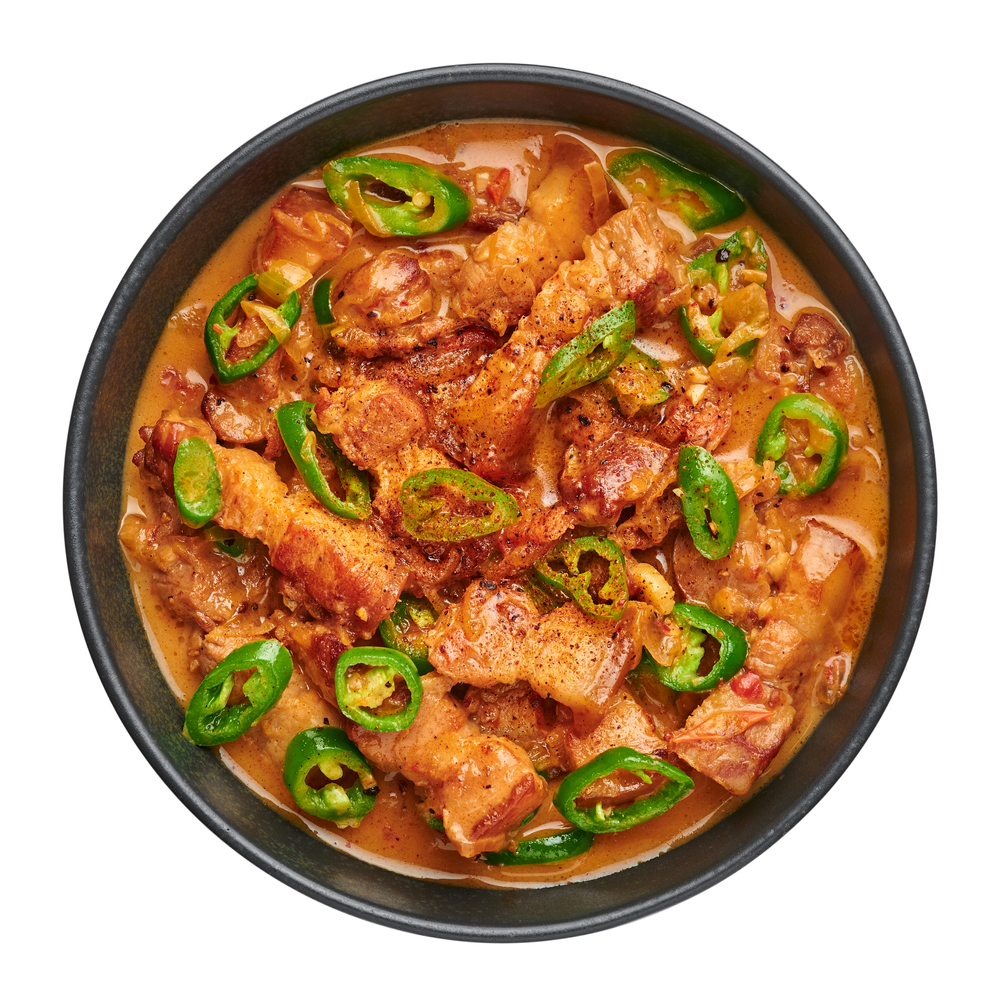
    Pininyahang Manok, a beloved Filipino dish, is a delightful fusion of tender chicken simmered in a creamy pineapple-infused sauce, creating a perfect balance of sweetness and savory richness. Celebrated for its unique flavor and vibrant presentation, it has become a staple at fiestas, birthdays, and family gatherings. Its ability to bring people together and add a touch of tropical warmth makes it an unforgettable centerpiece for any event. Whether hosting a festive celebration or simply craving authentic Filipino flavors, consider Pininyahang Manok a standout choice. Explore Filipino food delivery in Qatar to bring this culinary masterpiece to your table for added convenience.

    Main Reasons Why Pininyahang Manok is a Must-Have

    Unique Blend of Sweet and Savory Flavors
    Pininyahang Manok combines the tangy sweetness of pineapples with tender chicken in a creamy base, creating a flavor profile that appeals to people of all ages. Its harmonious blend of contrasting tastes makes it a standout dish for any menu.

    Symbol of Filipino Hospitality
    This dish embodies Filipino warmth and generosity, often served as a token of hospitality during gatherings. The pineapple, a key ingredient, is also a cultural symbol of welcome and friendliness, making the dish perfect for sharing with loved ones.

    Easy to Prepare for Large Gatherings
    Pininyahang Manok is ideal for parties, as it can be easily scaled to feed a crowd. With accessible and common ingredients, it ensures that hosts can serve a flavorful dish without hassle.

    Healthy and Nutritious Choice
    Packed with protein from chicken and essential vitamins from pineapples and vegetables, this dish offers a nutritious option that satisfies both indulgence and dietary needs.

    Memorable Addition to Your Menu
    Its vibrant colors, delightful aroma, and creamy texture make Pininyahang Manok not only a treat for the palate but also a visual and sensory highlight that leaves a lasting impression on guests.

    Versatile Variations to Suit Every Taste
    This adaptable dish can be personalized with coconut milk, evaporated milk, or unique ingredients like chili or raisins, catering to diverse preferences while retaining its signature appeal.

    For authentic Filipino flavors, don’t forget to try Pininyahang Manok through Filipino food delivery in Qatar and enjoy this exceptional dish at your convenience.

    Where to Find the Best Pininyahang Manok in Qatar

    For the most authentic and flavorful Pininyahang Manok in Qatar, Shore Time Pinoy stands out as the ultimate destination. Renowned for their traditional preparation and commitment to high-quality ingredients, they deliver the rich and comforting taste of this beloved Filipino dish straight to your table. Their exceptional Filipino food delivery in Qatar service ensures convenience and reliability, allowing you to enjoy a slice of Filipino culinary excellence from the comfort of your home. Experience the ease of online delivery while savoring the unparalleled flavors of Shore Time Pinoy’s expertly crafted dishes.

    Read: History and Cultural Significance of Adobo

    Tips for Preparing the Perfect Pininyahang Manok

    Preparing a perfect Pininyahang Manok begins with marinating the chicken in pineapple juice and tenderizing the meat while infusing it with a delightful sweetness. Using fresh, high-quality ingredients enhances the dish’s taste and texture, elevating appeal. Slow cooking is key to allowing the flavors of the chicken, pineapple, and creamy base to harmonize beautifully, creating a rich, aromatic, and deeply satisfying dish. With attention to these details, your Pininyahang Manok will be a culinary masterpiece worth savoring.

    Conclusion

    Pininyahang Manok embodies everything a special occasion dish should offer an irresistible blend of sweet and savory flavors, cultural significance, and a touch of festive charm. Its adaptability, nutritional value, and ease of preparation make it a standout choice for any celebration. Whether you are hosting a family gathering or exploring Filipino cuisine, this dish promises to leave a lasting impression. For those in Qatar, the authentic flavors of Pininyahang Manok are just a click away. Order from Shore Time Pinoy, a trusted Filipino restaurant in Qatar, and experience the joy of this iconic dish delivered conveniently to your doorstep through their reliable Filipino food delivery service.

  • History and Cultural Significance of Adobo

    Adobo is a tasty meal and much more than that; it is a representation of the Philippines’ identity that treasures. Having savoury and delicious taste and being appropriate in any part of the world, adobo deserves to be one of the Filipino pride dishes. Being a relatively young country, it exhibits the strength, ingenuity, and resourcefulness of the Filipino people, their capacity to create, culture, and tradition embedded in each mouthful.
    From a simple selection of a protein source, marinating it in vinegar and soy sauce, the history of adobo is the story of a country on the rise to the frying pan. In the present era, it has become embraced across the globe as the Philippine taste, consumed domestically as celebrating occasions or fests during the Philippine fiesta ware and franchised Filipino restaurants around the world.

    The Origins of Adobo

    The story of adobo begins long before Spanish colonization, rooted in the indigenous practices of the Philippines. The word “adobo” is derived from the Spanish term adobar, which means “to marinate.” However, the dish itself existed even before Spanish influence reached the archipelago.
    Early Filipinos relied on vinegar and salt to preserve meat, especially in the tropical climate where food spoils quickly. This simple preservation method not only kept food edible but also infused it with a tangy, savoury flavour that would later define adobo’s iconic taste.
    When the Spanish arrived in the 16th century, they introduced soy sauce, garlic, and other spices, further enhancing the dish’s flavor profile. Over time, the combination of indigenous techniques and Spanish influences transformed adobo into a uniquely Filipino dish. Despite its Spanish etymology, the history of adobo reflects a distinctly Filipino identity; adobo evolved into a national treasure, embodying the country’s resourcefulness and cultural diversity.The origin of adobo dates back to pre-colonial Philippines, where early Filipinos used vinegar and salt as natural preservatives to extend the shelf life of food in a tropical climate.

    Read : 7 Must-Try Filipino Food Combos at Shore Time Pinoy

    Cultural Significance of Adobo in Filipino Society

    Adobo holds deep cultural value within Filipino households and brings the essence of Filipino food culture. It is more than just a dish; it represents shared experiences, traditions, and identity.
    Adobo often appears during family gatherings, celebrations, and everyday meals, making it a consistent presence across different social settings. Many households consider it comfort food because of its familiar taste and nostalgic connection to home-cooked meals.
    One of the defining aspects of the cultural significance of adobo is how recipes are passed down from generation to generation. Each family adds its own variation, preserving tradition while allowing personal expression. Through this continuity, adobo represents Filipino identity through food and remains a symbol of unity and heritage.

    Filipino Adobo as the National Dish

    Filipino Adobo is widely regarded as the national dish Philippines due to its accessibility, adaptability, and cultural relevance. Many food historians refer to Filipino Adobo as the national dish that the Philippines recognizes globally.
    The dish appears widely across the country, with regional and household variations that reflect local ingredients and preferences. Despite these differences, its core identity remains consistent.
    The simplicity of ingredients, typically meat, vinegar, soy sauce, garlic and spices, contributes significantly to its popularity. Whether served with adobo rice or plain steamed rice, it continues to be one of the most recognizable examples of traditional food in Philippine cuisine.

    A Cultural Icon

    Adobo is not only a food but also an heirloom and an emblem of Filipino pride that comes into mind. Traditionally known as the native dish of the Philippines, it is a symbol of the Filipino soul and their nationality. Adobo does not stick to one type or is similar with many other dishes because it has a regional flavour. There is no region in the Philippines that does not have a way of cooking this dish. For instance, in the Bicol region Adobo Sa Gata has an addition of lucious coconut milk, making the dish creamier than usual. On the other hand, Mindanao is characterized by hotter flavour profiles that consist of the actual flavours of Mindanao that are spicy. Such variations due to regions make adobo as a dish, which one may not feel something very new or very different when trying it at different places.
    The importance Filipino culture and family traditions attached to Adobo. It is a food traditional to the homestead, fiestas and other celebrations, for this is a food best prepared in large portions to feed the many. To the Filipino citizens living aboard, adobo stirs up memories of the Philippines. I grew up hearing many of my Filipino relatives rave about the smell of garlic and soy sauce in vinegar while cooking, during family dinner, or special occasions.

    Read: Top 5 Filipino Soups That Are Both Nutritious and Delicious

    Where to Find Authentic Adobo in Qatar

    For those living in Qatar or visiting the country, finding authentic Filipino food is an absolute delight. If you are craving adobo, look no further than Shore Time Pinoy Grill, a top Filipino restaurant in Qatar that delivers an exceptional dining experience.
    Shore Time Pinoy Grill is renowned for its commitment to authentic Filipino flavours, making it a favourite destination for Filipino expatriates and food enthusiasts alike. Their version of adobo is a testament to tradition and quality, offering a perfect balance of tanginess, saltiness, and umami. Whether you prefer chicken, beef, or both, Shore Time Pinoy Grill ensures every dish is cooked to perfection, capturing the essence of this iconic dish.
    Beyond its delicious food, Shore Time Pinoy Grill is conveniently located, making it an accessible choice for anyone looking for a Filipino restaurant in Qatar. Their dedication to authenticity and quality has made them a go-to spot for those seeking the best flavors of the Philippines in the heart of Qatar.
    Adobo is also a versatile dish. It can be made from very basic products that are normally available in the kitchen, but it tastes fully rich, like professional cooking. This versatility has really boosted the capability of adobo to spread across borders; it has become a dish that Filipinos as well as a people from other parts of the world enjoy very much.

    Cooking Method of Authentic Filipino Adobo

    The adobo cooking method is straightforward yet deeply rooted in technique and timing.
    Cooking Process:
    Marinate meat in vinegar and soy sauce.
    Simmer the meat with garlic and spices.
    Allow the sauce to reduce until thick.
    What makes traditional Filipino adobo stand out is the slow cooking process. Simmering the meat over time allows it to fully absorb the tangy, savory flavors while tenderizing it. As the sauce reduces, it becomes richer and more concentrated, creating the signature depth of flavor associated with authentic adobo.

    Filipino Adobo in Modern Restaurants

    The Filipino adobo dish is now widely featured in modern restaurants, often positioned as a signature item. Many Filipino dining spaces abroad include adobo on their menus, making it accessible to a global audience.
    In regions with rising demand for Filipino food restaurant in Qatar, adobo remains a staple. Restaurants like ShoreTimePinoy also offer Filipino food delivery Qatar, combining convenience with authentic flavor.

    Filipino Adobo in Overseas Filipino Communities

    Filipino communities abroad continue to preserve Filipino food culture through dishes like adobo. It remains a key connection to home, whether prepared in kitchens or enjoyed at restaurants.
    Adobo is widely available in Filipino dining spaces across countries, with places like ShoreTimePinoy serving familiar meals to overseas Filipinos seeking comfort and tradition.

    Why Filipino Adobo Remains a Timeless Dish

    Filipino adobo continues to stand the test of time due to several key factors:
    ● Simple ingredients that are easily accessible
    ● A flexible cooking method that allows variation
    ● Strong ties to cultural heritage
    ● Continued popularity across generations
    These elements ensure that traditional Filipino adobo remains relevant in both local and global contexts, maintaining its position as a cornerstone of Filipino cuisine.

    Conclusion

    The history of adobo tells the story of tradition, innovation, and cultural pride. From its pre-colonial roots to status as a global culinary icon, adobo represents the heart of Filipino culture. It tells the story of a people who have embraced change while staying rooted in their heritage.
    Whether you are a lifelong fan of this beloved dish or trying it for the first time, experiencing authentic adobo is a must-try dish. At Shore Time Pinoy Grill, we offer the best opportunity to savour this Filipino food in Qatar. Their commitment to authenticity ensures that every bite delivers the rich flavours and cherished traditions of the Philippines.

    Visit Shore Time Pinoy Grill today and discover why their adobo is the best Filipino food in Qatar. Do not miss this unforgettable culinary experience; get in touch or stop by now.

  • A Guide to Halo-Halo: The Ultimate Filipino Dessert

    Halo-halo dessert is not only delicious, but it also provides a colorful glimpse of Filipino culture and traditionalism. This Filipino treat is called “leck-leck,” which means ‘mix-mix,’ because it is a combination of various layers that make everyone love it. As a dessert that is unique and welcoming in an exotic kind of way, many Filipino dessert lovers adore Halo Halo. Whether you are on the lookout for the best Halo-Halo recipes or just looking for an authentic culinary travel, this piece will take you through all the essentials of the Filipino treasure.

    What is Halo-Halo?

    The term Halo-halo is from the Tagalog word ‘halo,’ meaning mix, and it is a dessert that embodies diversity. In a tall glass sipped to perfection, it can be considered visually appealing as it is lip-smacking. The most popular Filipino dessert, Halo-Halo, is a colourful layered mixture of sweet ingredients such as soft jelly, young coconut, sweet potatoes, sweet beans, evaporated milk, sugar and ice Shavings topped with Pineapple Gel and whipped cream: As a versatile dessert, the recipe of Halo Halo comes in a different twist depending on where one is or persona taste buds. In fact, halo-halo’s ingredients embody Filipino propositions of resourcefulness and creativity in a tight situation.

    The Essential Ingredients

    Halo-halo’s charm lies in its medley of ingredients that create a perfect harmony of taste and texture. Here is a list of the classic must-haves for a traditional halo-halo recipe:
    Shaved ice– The base that provides the dessert’s refreshing quality.
    Leche flan – Adding richness and creaminess to the mix.
    Ube halaya – A sweet purple yam spread that lends a unique flavour and vibrant color.
    Sweetened fruits – Such as jackfruit, plantains, or mango for a tropical touch.
    Jelly and nata de coco – These chewy bits add fun textures.
    Sweetened beans – A surprising but essential element that balances the sweetness.
    Evaporated milk – Drizzled on top for creaminess.
    Ice cream – Usually ube or mango flavoured, for that indulgent finish.
    Each ingredient plays a significant role in making halo-halo a dessert unlike any other. For more inspiration, check out this detailed Halo-Halo recipe.

    How to Eat Halo-Halo

    Having a Halo-Halo plainly is in itself an experience. Here is a step-by-step guide to relishing this delightful dessert:
    Starting with visuals it is beautiful with those layers of bright shades – let me take a photo to share on Instagram.
    Using your spoon then ensure all the ingredients are well stirred.
    For the best-shaved ice and evaporated milk mix, simply allow the shaved ice to melt slightly into the evaporated milk.
    Scoop it, savour it and gobble it up; it is just wonderful to have during this hot weather.
    Halo-halo is not just a dessert, but it is the fun experience of making the desert itself. This is why halo-halo is enjoyed by people of all age’s listeners.

    Variations of Halo-Halo

    While the traditional recipe holds a special charm, variations of Halo-Halo highlight the creativity of Filipinos.
    Regional variations: Each region in the Philippines has its twist on Halo-Halo, often influenced by locally available ingredients.
    Modern twists: High-end restaurants elevate the dessert with gourmet ingredients like edible gold flakes or premium ice cream flavours.
    These variations keep the dessert exciting, ensuring there is always something new to try.

    Where to Try Halo-Halo

    If you are in Qatar and looking for an authentic Filipino dessert, Shore Time Pinoy is the perfect spot. Known as a top Filipino restaurant in Qatar, we serve the delicious Halo-Halo that stays true to its roots. Visit us to experience this iconic dish in a warm and welcoming ambiance.

    Why Halo-Halo is More Than Just a Dessert

    Halo-halo is not just a dessert it is unity. This genre still has remnants of the Philippine’s history from the Filipino-Chinese trading industry and represents the country’s fearless and inventive palate. People love taking halo-halo for dessert because it has social, familial, and sentimental value as people get to bond over a single glass of halo-halo.

    Make Your Own Halo-Halo at Home

    Creating your halo-halo is simple and fun! Here is how:
    1. Prepare ingredients: Assemble your shaved ice, Leche flan, ube halaya, and other essentials.
    2. Layer them in a glass: Start with the sweetened fruits and beans, followed by jelly and nata de coco.
    3. Add shaved ice: Pack the glass with shaved ice to the brim. Pour evaporated milk: Generously drizzle the milk over the ice.
    4. Top it off: Add a dollop of ube halaya, a slice of flan, and a scoop of ice cream.
    5. Mix and enjoy: Grab your spoon and mix everything for the ultimate halo-halo experience.
    Conclusion
    For most Filipinos, Halo-Halo is not just a dessert, but rather it represents Filipino food, culture, and traditions, as well as the Filipino smile and warm welcome. If experienced at Shore Time Pinoy Filipino buffet restaurant in Qatar or if done at home the taste of this dessert is always unforgettable. Go ahead and try this American classic now, it will be the best decision for your palate.
    Visit Shore Time Pinoy to learn more about Filipino food appetizers and Filipino cuisine desserts.

  • Top 5 Filipino Soups That Are Both Nutritious and Delicious

    Filipino cuisine is renowned for its comforting flavours and hearty dishes, and among its many staples, Filipino soup stands out as a symbol of nourishment and warmth. These soups are an integral part of Filipino households, providing not just sustenance but also a sense of togetherness. In this blog, we will explore the top 5 Filipino soups that are both nutritious and delicious.

    Vegetable Chowder Soup

    A flavour rich and colourful soup loaded with vegetables and cream, making it so healthy for you. The combination of carrots, potatoes, and celery goes well in a diet as it affords good dietary fiber, which enhances digestion. It is rich in vitamins ‘A’ and ‘C’ and serves as an immunity booster and helps in nourishing skin. Perhaps because of the use of skimmed milk to make the soup thick, this is more like a dessert soup, yet it has very few calories. This is actually a Filipino soup that confirms how harmoniously the Filipino cuisine can combine the taste and the usefulness.

    Chicken Meatball Soup

    There is no other dish more warming than the chicken meatball soup. With its chicken meatballs that are soft and succulent and the chicken meat floating in a clear and inviting soupy broth, those are stacked with protein and will help repair muscle and build strength. The broth is rich in minerals and collagen, helping to strengthen bones and joints with skin elasticity as well. Not only the aromatic flavours of garlic and onions appealing, but they are also strengthening the immune system as well. As the best Filipino restaurant in Qatar, Shore Time Pinoy offers the authentic Pinoy soup that best embodies the Filipino tradition.

    Read: 10 Filipino Desserts You Must Try in Qatar

    Chicken Hot & Sour Soup

    Chicken hot and sour soup is one of the items that is ideal for anyone who wants a rich and spicy taste. The mixture of vinegar and spicy chili also not only provides your tongue with a strong sensation but also provides your digestive system with the pulse it needs to boost your metabolism, making them ideal for our diet-conscious eaters who are out for a delicious meal. Some of the ingredients used such as ginger and vinegar have antioxidant properties, which play a role of fighting inflammation and enhancing the body’s overall wellbeing. As the best Filipino soup, it contains low fat, perfect for those who would like to incorporate tasty meals that will not interfere with their meal plan.

    Prawn Hot & Sour Soup

    Amazing seafood soup that features prawn as its major component apart from its many other delicious accompaniments. As it is loaded with omega-3 polyunsaturated fatty acids, prawns help to enhance the health of the heart as well as the production of energy. Other ingredients like garlic, chili, and lime give it flavor that not only makes it taste good but also assists the immune system as well. This Filipino soup is a perfect combination of sour and spicy and is very healthy and delicious to boot.

    Read: Top 10 Filipino Dishes to Try If You’re New to Filipino Cuisine in Doha

    Egg Arroz Caldo

    Egg Arroz Caldo is a Filipino heir staple dish that has come to represent warm, comforting meals that are also incredibly healthy. Savoury and prepared with copious amounts of ginger and garlic, this rice porridge is best eaten when one’s stomach is queasy. The carbohydrates from rice supply energy most needed in the body, and the soft-boiled eggs bring strength of proteins important for all kinds of health and muscles. It helps in digestion and reduces stomach upset, and ginger added to this dish takes it to another level. For those seeking Filipino food delivery in Qatar, Shore Time Pinoy offers this hearty dish, ensuring you can enjoy it anytime, anywhere.

    Conclusion

    For Filipinos, soups are not only meals but also food that represents tradition, proper nutrition, and the homely feeling everybody wants when they think of home cooking. From the thick and creamy vegetable chowder to the almost solid texture of egg Arrozcaldo, these soups highlight Filipino food. Whether you choose to prepare these delightful recipes at home or indulge in authentic dishes at a Filipino food restaurant in Qatar, these soups are a must-try for anyone seeking nourishment with a cultural twist.
    Visit Shore Time Pinoy today or order online for a taste of the Philippines brought straight to your table. Get in touch now and experience the heart-warming flavours of the best Filipino soups!