Author: Baby Paul M. Santos

  • Top 5 Filipino Restaurant in Qatar

    Filipino Street Foods in Qatar are a delightful fusion of flavours, offering a taste of home away from home. From sizzling pork sisig to savory lumpiang shanghai, these street foods in Qatar bring the bustling markets of Manila straight to your palate. Enjoy the aromatic delights of grilled chicken inasal and the crispy goodness of lechon kawali, each dish redolent with the scents of garlic, vinegar, and soy sauce. Discover how to cook Filipino dishes yourself and recreate these culinary masterpieces in your own kitchen, bringing the vibrant street food culture of the Philippines to Qatar.


    Top 5 Filipino Restaurant in Qatar

    Shore Time Pinoy, Bahay Kubo Qatar, Barrio Fiesta, and Batangas Best Restaurant are the top 5 Filipino Restaurant in Qatar that offer authentic street foods with pinoy flavor.

    Top 5 Filipino restaurants in Qatar

    1. Shore Time Pinoy

    The Shore Time Pinoy is one of the best Filipino Restaurant in Qatar, it is known for its cozy ambiance, and delicious array of Filipino dishes, Shore Time Pinoy offers a taste of home with favourites like adobo and crispy pata.

    1. Bahay Kubo Qatar

    Bahay Kubo Qatar restaurant brings traditional Filipino flavors to Qatar, featuring dishes such as sinigang and kare-kare, served in a warm and welcoming setting.

    1. Barrio Fiesta

    A popular choice for Filipino expatriates, Barrio Fiesta serves up classic dishes like pancit and beef kaldereta, perfect for a taste of Filipino street foods in Qatar.

    1. Batangas Best Restaurant

    Specializing in dishes from Batangas, this restaurant offers unique flavors such as bulalo and tapang Taal, capturing the essence of Filipino street food culture.

    1. Big Dine Filipino Restaurant

    Big Dine Filipino Restaurant is known for its generous portions and flavorful dishes, Big Dine Filipino Restaurant is a go-to spot for favorites like sisig and grilled seafood, making it a must-visit for Filipino street foods enthusiasts in Qatar.

    Whether you’re craving traditional dishes or exploring new flavors, these Filipino restaurants in Qatar promise a delicious journey through the vibrant world of Filipino street foods.

    What are popular Filipino foods?

    Filipino Street Foods in Qatar  encompass a variety of popular dishes that highlight the rich culinary heritage of the Philippines. Adobo, a beloved favourite and often hailed as the national dish, features tender pork or chicken stewed in a savoury sauce of vinegar, soy sauce, garlic, and spices like bay leaf and peppercorns. Other must-try Filipino foods include sinigang, a tangy tamarind soup with meat and vegetables; crispy Lechon, a succulent roast pork with crispy skin; Pancit, stir-fried noodles often served during celebrations; and Lumpia, savoury spring rolls filled with meat and vegetables. These dishes bring the vibrant flavours of Filipino street foods to Qatar, offering a taste of traditional Filipino cuisine to enthusiasts and newcomers alike.

    What are the benefits of eating Filipino food?

    Filipino Street Foods in Qatar offer not just delightful flavours but also various health benefits. Many Filipino dishes, like adobo and sinigang, are rich in protein from meats like pork and chicken, which are essential for muscle repair and overall body function. These dishes often include vegetables such as eggplant, bitter melon, and leafy greens, providing essential vitamins and minerals. Additionally, Filipino cuisine incorporates ingredients like garlic and ginger, known for their anti-inflammatory and immune-boosting properties. Regular consumption of Filipino street foods in Qatar can contribute to a balanced diet, promoting overall well-being and satisfying cravings with wholesome, flavourful options.

    Traditional Filipino Festive Foods

    Traditional Filipino festive foods encompass a rich array of dishes that signify joyous celebrations and cultural heritage. From the iconic Lechon, a completely roasted pig with crispy skin, to Pancit bihon, long noodles symbolizing longevity, these foods play a central role in Filipino gatherings. Other favourites include Kare-Kare, a rich stew with peanut sauce and oxtail, and Bibingka, a rice cake traditionally enjoyed during Christmas. These dishes not only delight the palate but also reflect the warmth and hospitality of Filipino culture, making them indispensable at celebrations throughout the Philippines and beyond.

    Conclusion

    Filipino street foods in Qatar offer a vibrant and flavourful experience, encapsulating the rich culinary traditions of the Philippines in a new cultural setting. Street foods in Qatar have become an integral part of the local dining scene, drawing food enthusiasts with their unique scents and diverse flavours. Whether you are looking to explore how to cook Filipino dishes or simply enjoy the culinary delights, these foods provide a sensory journey that captivates the heart and palate.

    From savouring the offerings at top restaurants like Shore Time Pinoy, Bahay Kubo Qatar, Barrio Fiesta, Batangas Best Restaurant, and Big Dine Filipino Restaurant, to indulging in popular Filipino dishes such as Adobo, there is something for every food lover. The benefits of eating Filipino food extend beyond taste, providing nutritional value and cultural enrichment.

    Embracing traditional Filipino festive foods, such as Lechon and Bibingka, further enhances the experience, making every meal a celebration of Filipino heritage. Filipino street foods in Qatar not only bring the community together but also introduce a flavourful twist to the diverse street foods in Qatar, ensuring a memorable and delicious culinary adventure.

  • 20 Filipino Drinks You’ll Want to Try in Qatar

    20 Filipino Drinks You’ll Want to Try in Qatar

    Welcome to Shoretime Pinoy, our portal to the colourful Filipino cuisine right in the heart of Qatar. To start exploring the culinary landscape of the Philippines, one cannot ignore the wide range of beverages that go hand in hand with its mouthwatering dishes. Come one, come all!    Our Filiino drinks menu features a gastronomic journey of ambrosial tropical mixes and enigmatic cocktails imbued with unique  Filipino flavours.

    In this article, we take you on a journey to explore a total of 20 Filipino drinks that will surely tantalise your taste buds and make you hunger for more. Whether you are a professional aficionado or a fresh newbie, you will find something to drink, taste, and enjoy. Please, just sit back,  relax, and we desire to take you on a trip of your life through the Philippines, right here at Shoretime Pinoy.

    #1. Buko Juice

    The small coconuts cold na ang Buko juice is a refreshing juice, simple and straight from the fruit directly. It is an automatic humidifier, ideal for a sunny day in Qatar.

    #2. Sago at Gulaman

    This candy and coloured this: Let’s mix tapioca pearls ( sago) and the agar gelatin cubes DID BULAGMAN 1: Heat brown sugar and water in a saucepan. Put vanilla extract, or you could use essence. Added together, stir it well. TAPOS FERN Coconut milk while hot, then let cool.

    #3. Calamansi Juice


    To serve this pure delight, wherein the juice is made from the sweet fruits of the Calamansi cluster.

    #4. Pineapple Juice


    Fresh pineapple juice gives a sugary and acidic tropical break.

    #5. Dalandan Juice


    Dalandan, a Philippine species of coconut tree, bears an easily palatable citrus juice.

    #6. Guyabano juice


    Otherwise termed soursop, guyabano has an acute creamy and sweet taste that attracts the fruity-lovers

    #7. Mango Shake


    Take pleasure in the rich texture of a sweet and sour perfection captured by the essence of summer with this deliciously creamy mango shake.

    #8. Buko Pandan


    A delicious concoction, a dessert that will make you fly to heaven from hints of dried coconuts (buko) and pandan-flavored gelatin.

    #9. Melon Juice


    Quench the heat with cool melon juice with delicate sweetness—a chilled drink to stave off ruinous hot weather.

    #10. Buko Shake


    To make a creamy buko juice, one could opt for the smooth blended drink of a modified version called a buko shake with ice.

    Suggested Reading:10 Filipino Desserts you must try in Qatar

    #11. Lemonade


    A refreshingly simple lemonade laced with freshly squeezed drops of sucrose, water, and sugar, lemonade is a nostalgic antidote to dehydration.

    #12. Cucumber Cooler


    Mix with this cooling drink, which is made from cucumber juice and suitable for hot days in Qatar.

    #13.Salabat


    Salabat is a tea with ginger, lemon, and honey, and one’s health benefits from every sip.

    #14. Pandan tea


    Pandan tea is produced by steeping aromatic and balmy pandan leaves in hot water to yield a weak herbal beverage.

    #15. Barley Water


    A concoction of cooked milky white barley, sweetened with sugar, and flavoured with calamansi or lemon.


    #16. Pandan Cooler


    The Pandan Cooler is a juicy, fragrant drink natively pepared from pandan water-infused sweetened sugar with basil seed garnished

    #17. Sarasi


    Sarasi is a version of root beer in the Filipino style that has a unique taste and spices like sarsaparilla.

    #18. Pineapple-Mango Cooler


    The tartness of tropical pineapple and mango flavours just captures any winter fanatic fantasy with a warm, refreshing cooler.

    #19. Banana Shake


    Banana shakes made from ripe bananas blended with milk and ice provide a richer, creamy substitute to liquid too frivolous to be consumed.

    #20.Sampaloc Juice

    A sour and tangy drink made from tamarind (Sampaloc) pulp mixed with water and sugar.


    Suggested Reading:15 Delicious Filipino Veggie Recipes You Must Try!


    In synthesis, Filipino beverages come in several flavours and consistencies that are very suitable for satisfying. your thirst as they sink those different juices or fragments you long for, each a sweet tart, etcetera. Creeper’s Pallet There are local Filipino restaurants in Qatar that serve traditional Filipino drinks for you to explore and taste as well. The next time your mouth yearns for a refreshing drink, why don’t you try one of these delightful dishes when visiting the Philippines? You won’t be disappointed!

  • 8 Most Popular Filipino Breakfast Dishes To Eat in Qatar

    8 Most Popular Filipino Breakfast Dishes To Eat in Qatar

    I love Filipino breakfast food. When we’re in the qatar, I really enjoy eating silog dishes such as longsilog and also tapsilog. Not only for breakfast, but also at any convenient time.


    The term silog refers to a set of Filipino breakfast dishes that include meat, garlic fried rice and fried egg. It comes in a variety of different types and is prevalent all over the Philippines. Similar to the Malaysian nasi lemak, it is an extremely very common Filipino breakfast meal that can be consumed at any time of the day.


    Silog is definitely a must-try, but early risers would certainly have more to get out of the bed for in the qatar. If you are into breads and pastries for breakfast, have some pan de sal and the ensaymada. But if you are in the mood for thick rice porridge meals, then you can have a bowl of arroz caldo or champorado.


    Although Silog may be one of the most popular and also tastiest Filipino breakfast dishes, according to this list it is not even close to being the only one on offer in the Filipino cuisine.


    In case you believe that breakfast is the most important meal, try these eight yummy Filipino Breakfasts during your next visit to the qatar.

    Top 10 Filipino Breakfast dishes You Should Try

    #1. Silog Meals (Meat with Garlic Fried Rice and Egg)


    No list of the best-tasting Filipino food will ever be complete without the silog. As mentioned, the word is a Filipino breakfast meal that involves some meat alongside with Filipino garlic fried rice and also sunny side up eggs.


    Garlic fried rice and fried eggs are the staples in all silog meals but this beloved breakfast dish can come in many different versions depending on the kind of meat that makes it. Tapsilog (beef tapa), longsilog (Filipino sausage), and tocilog (sweet cured meat) are the most popular but there are many others in the qatar such as bangsilog (milkfish), cornsilog(corned beef), and spamsilog(SPAM).


    One of my favorite breakfast meals in the world that should not be missed when visiting the qatar is silog which is delicious with a vinegar dipping sauce. For more information about this Filipino breakfast staple, visit my article on silog meals.

    Suggested reading: 15 Delicious Filipino Veggie Recipes You Must Try

    #2. Tuyo / Galunggong / Tinapa


    As an archipelago consisting of 7,100 beautiful islands, the Philippines is a haven for the mouth-watering seafood. Bangus or milkfish is the national fish of the Philippines and a primary ingredient in bangsilog, which is one of the most well-known silogs.


    The other varieties or fish preparations that are usually taken for breakfast  include galunggong, tuyo, and also tinapa. Galunggong is the Filipino name for “mackerel scad”. It is considered a poor man’s breakfast dish and is usually fried in oil along with the plain rice.


    Tuyo and tinapa are the Filipino breakfast fish meals. But they are more relevant to the types of fish processing rather than species of fish.


    Tuyo means “dry” and is essentially a salted dried fish, usually herring. It is an extremely salty fish dish typically served with steamed white rice. Like the galunggong, it has the reputation of being a poor man’s food although more gourmet versions


    Likewise, the tinapa is a Filipino word that means “smoke” and refers to smoked fish, most of the times blackfin scad or milkfish. It is usually eaten with the rice for breakfast.


    Naturally, when any of these fish dishes are served with garlic fried rice and also fried eggs, they become a kind of silog.

    #3. Beef Pares


    For filipinos, rice is a life so the most favorite Filipino breakfast dishes are generally served with either garlic fried rice or steamed rice. SPAM is a very popular silog viand, as are the Flipino hot dogs. Heck, I can even introduce you to the eateries that offer Chinese siomai with garlic rice and fried eggs for breakfast!


    Among the carinderia dishes that are typical for breakfast fare is beef pares. It is a term that describes a Filipino dish of braised beef stew usually served with garlic rice and a bowl of clear beef stock. The word pares connotes ‘pairs’ and is used to denote the combination of the beef stew with fried rice and soup.


    But when cooked properly, the meat in beef pares is amazingly tender and it goes so well with the fried rice. It is commonly eaten with the chili sauce as a dipping and has a sweet-salty taste after cooking in a sweet soy sauce.


    Suggested Reading: Top 10 Traditional Filipino Foods For Everyone To Try

    #4. Champorado (Chocolate Rice Porridge)

    When I was a child, I used to see my father devouring bowls of champorado during breakfast. At that time, it was strange at least to me to mix chocolates with rice but there he is having a mouthful of chocolate rice porridge sprinkled with bits of tuyo or danggit for breakfast.


    Champorado is a rice porridge made with boiled glutinous rice and chocolate. It is generally consumed for breakfast or merienda (afternoon snack) with coconut milk (or regular milk), sugar, and chunks of dried salted fish.


    Although perhaps an odd combination in the eyes of many, it is a very widespread Filipino breakfast that you should taste during your trip to the qatar.

    #5. Lugaw / Arroz Caldo / Goto

    If a hearty rice porridge is the breakfast of your dreams, then lugaw is definitely the answer. It is a bowl of Filipino rice porridge, created by boiling glutinous rice with garlic, ginger and salt.


    When as a stand alone dish, the bowl of porridge is referred to as “lugaw”. However, when it is prepared using tripe and intestines it becomes goto (pictured below). It is called “arroz caldo” when served with chicken.


    Regardless of what it is made with, the lugaw is usually garnished with scallions, garlic flakes and a hard-boiled egg. It is usually accompanied by the calamansi, patis (fish sauce), or toyo (soy sauce) as seasonings.


    Whether one or the other, the Filipino rice porridge is very tasty and it makes a good Filipino breakfast meal or afternoon snack.

    #6. Mami Siopao

    If you prefer noodles over the rice, then maybe a bowl of chicken mami soup would be more ideal for your breakfast. Mami is a well-known Filipino dish that contains wheat flour noodles and also meat (or wonton dumplings).

    While Mami can be eaten alone, it’s best when accompanied by siopao – another Filipino-Chinese dish. Siopao is a kind of baozi, which is a steamed bun that has many fillings such as pork asado (braised barbecued pork), and also bola-bola (ground meat mixture).

    #7. Taho

    Among the Filipino dishes that evoke fond memories of childhood, taho is one among the best. It is the Filipino variant of douhua, a silken tofu Chinese dish that is eaten in many countries around Asia.  it is usually consumed warm with the arnibal (simple syrup) and also sago (similar to tapioca pearls).

    To sell Taho, the Filipino street food vendors usually carry two aluminum buckets attached to either end of a bamboo pole. The vendors used to roam around the neighborhoods shouting “tahooooo!”, either in the early hours of the day or about at midday.

    The taho vendor would come in the afternoons to our village so we’d have it as a snack, but breakfast is also fine too when this dish is eaten by the filipinos.

    Suggested Reading: Top 10 Must-Try Filipino Dishes in Qatar


    #8. Suman

    The Philippines use the term “kakanin” to denote a family of Filipino dishes that are made with galapong or glutinous rice paste. Puto is probably the most popular but suman isn’t probably far behind.

    Suman is a kakanin made from the glutinous rice cooked with coconut milk, which is then wrapped tightly in the banana leaves and steamed. From many versions across the Philippines, it is usually taken at breakfast with a little sugar or it is topped with latik (caramelized coconut cream syrup).

    Suman is another very important Filipino dish just like the adobo. You will have to try it when you go to the qatar.

    FINAL THOUGHTS ON FILIPINO BREAKFAST IN QATAR

    I am not a Filipino by origin, but I am regular when it comes to having Filipino food, so the Filipino breakfast is like the back of my hand. What I found rather surprising in the reading of others’ articles on the Filipino breakfast was how often tortang along was mentioned.

    Tortang  along is a Filipino eggplant omelette, which is accompanied with banana ketchup and also steamed rice. Although it is one of my most beloved comfort foods in Filipino food, I have never eaten it or seen it served as breakfast. Neither has Ren.

    Some of the larger silog meals or hotel breakfast buffets may feature Tortang talong, but for me, it’s something that would make for a very good side dish during lunch or dinner. It is also very delicious and so you should try it on your next visit to the qatar.

    After all, I hope you found this article on the popular Filipino breakfast dishes as enjoyable to read as it was for me to write. Writing this article has made me miss both the Philippines and also Filipino food even more.

    If you are curious to taste and try filipino food, you need to have an understanding about best filipino restaurants out there. for that you can check out our blog about Top 7 Tips on How to Choose a Filipino Restaurant in Doha


  • Top 10 Traditional Filipino Foods For Everyone To Try

    Top 10 Traditional Filipino Foods For Everyone To Try

    Top 10 Traditional Filipino Foods For Everyone To Try


    When you’re exploring a new destination, one thing you definitely don’t want to miss is trying out the local cuisine. And when it comes to the Philippines, their traditional food scene is a treasure trove of flavors waiting to be discovered. Influenced by Spanish, Indian, Chinese, and Malay Kingdom cuisines, Filipino food offers a one-of-a-kind gastronomic adventure.

    Embark on a culinary journey through the top 10 traditional Filipino dishes and immerse yourself in the rich flavors of the Philippines. Here are 10 must-try foods that will leave you craving for more:

    1.  Adobo
    2.  Lumpia
    3.  Inasal
    4.  Pancit
    5.  Sinigang
    6.  Cassava Cake
    7.  Arroz Caldo
    8.  Chicharon
    9.  Lechon
    10.Kinilaw

    #1. Adobo

    Let’s start with the famous Adobo, considered by many as the unofficial national food of the Philippines. Whether made with pork or chicken, this dish simmers in a delicious blend of soy sauce and vinegar, seasoned with black pepper and crushed garlic. The beauty of Adobo lies in the fact that each family has its own unique twist, giving it a different taste wherever you go.

    Suggested Reading: Tips to Select a Filipino Restaurant in Qatar

    #2. Lumpia

    For a delightful lunch option, give Lumpia a try. These crispy deep-fried spring rolls have a profound influence from Chinese cuisine. Stuffed with a mix of finely chopped vegetables and minced meat, Lumpia becomes an irresistible treat when paired with the right sauces. Get ready for a burst of flavors that will leave a lasting impression on your taste buds.

    #3. Inasal

    If you’re a fan of roast chicken, then Inasal is a dish you should definitely not miss. Perfected by the residents of the Visayan islands, Inasal features chicken marinated in ginger, lemongrass, and calamansi juice. It’s then roasted over an open fire and basted with annatto oil. Served with rice and a soy sauce dip, this unique Filipino dish offers a burst of flavors that will leave you wanting more.

    #4. Pancit

    Known as Pancit, this dish is a result of Chinese influence on Filipino cuisine. It brings together noodles with a variety of meats or vegetables. Despite its simplicity, Pancit offers a rich and diverse flavor profile that will keep you enthralled with every mouthful.


    #5. Sinigang

    When you think of a sour and savory Filipino stew, Sinigang immediately comes to mind. Made with a delightful combination of spinach, eggplant, tomatoes, onions, ginger, and fish sauce, Sinigang is often associated with tamarind. The great thing about this stew is that you can choose your preferred meat, be it pork, beef, fish, or shrimp. Enjoy it either with rice or savor it as a comforting soup.

    Suggested reading: 20 Filipino Drinks You’ll Want to Try in Qatar

    #6. Cassava Cake

    Indulge in a traditional Filipino dessert with the popular Cassava Cake. Made from freshly-grated cassava flour and rich coconut milk, this cake is baked on coals, giving it a unique and distinct touch. The best part is that you can savor this guilt-free treat, as it’s known to have some health benefits as well.

    #7. Arroz Caldo

    Combining Spanish and Chinese influences, Arroz Caldo, also known as ‘rice soup’ in English, is a healthy choice. This warming rice and chicken porridge is infused with a flavorful broth, along with chives, ginger, and occasionally saffron. Not only will it soothe your stomach, but it also offers some health benefits. It’s the perfect comfort food option.

    #8. Chicharon

    Originating from Andalucia in Spain, Chicharon is the Filipino version of deep-fried pork crackling. It’s usually enjoyed with a dip of coconut vinegar and is a popular snack, especially when paired with a cold beer. Despite the local variations you may find, nothing beats the original Chicharon in terms of flavor and crispiness.

    #9. Lechon

    No special occasion in the Philippines is complete without Lechon. This Spanish-inspired dish features a whole suckling pig roasted to perfection. The result is a crunchy skin that delights the crowd, making Lechon one of the most beloved and authentic Filipino dishes.

    #10. Kinilaw

    If you find yourself in a seaside city in the Philippines, take advantage of the abundance of seafood and try out Kinilaw. It’s a vinegar-cooked ceviche that ranges from simple raw fish dressed with vinegar to more elaborate versions with calamansi juice, soy sauce, shrimp, pork belly, salted egg, and onions. The combination of flavors will transport you straight to the shores of the Philippines.

    Go on a gastronomic journey through the country’s culinary heritage with our carefully selected top 10 traditional and very mouthwatering dishes. These iconic Filipino breakfast delights, such as the savoury Adobo and the Kinilaw, are very delightful an introduction to the feast of flavors awaiting every palate.

    Suggested Reading: Top 10 Must Try Filipino Dishes in Qatar

    To get a traditional taste of filipino food visit our filipino restaurant in Doha.

  • Top 7 Tips on How to Choose a Filipino Restaurant in Doha

    Top 7 Tips on How to Choose a Filipino Restaurant in Doha

    Top 7 Tips on How to Choose a Filipino Restaurant in Doha

    Doha, situated on the Persian Gulf coast in the east, stands as the capital city of Qatar. More than two-fifths of the nation’s population resides within its limits. It serves as the central hub for various domestic and international organizations, housing major entities like QatarEnergy and Qatargas, the country’s largest oil and gas companies. The city’s economy thrives mainly on the revenue generated from the oil and natural gas industries.


    The awe-inspiring skyline that welcomes newcomers to the Qatari capital vividly showcases the immense oil wealth that has reshaped Doha. This transformation has elevated the city from its origins as a modest fishing and pearl diving town to the present cosmopolitan Qatar. While there is much to describe about the capital city, our focus in this post is directed towards Filipino food in Doha.

    Filipino Cuisine in Doha, Qatar

    Is this your first time wanting to try Filipino food? Perhaps you’re an avid fan of the Archipelago’s culinary preparations. Well whichever category you fall into, we have just the place to suggest. Why not give the culinary experts of Doha a visit? Sit down and unwind yourself for a mouthful of the best of Filipino cuisine.


    Before we list the top 7 tips to choose the best Filipino restaurant in Doha, Qatar for you, what is the Filipino Culinary Scene in Qatar like?


    The Philippine Culinary Heritage Movement (PCHM) on Filipino Food Month in Qatar addressed:


    “Filipino food is often referred to as one of the world’s earliest fusion cuisines, having its ancestral cooking influenced mostly by the surrounding environment of people’s settlements and early foreign visitors such as the Mexicans from the galleon trade period and the Muslims from neighboring countries.

    Filipino cuisine has complex and distinct flavors—mostly a combination of salty, sour, sweet, and bitter, although spicy dishes are also highly concentrated in Bicol and in the Muslim areas of Mindanao.

    Majority of its dishes are also best served as viands with rice—the country’s major food staple—and dipping sauces and condiments such as buro (fermented rice and fish), bagoong (fermented salted fish or shrimp), and suka (vinegar)”.

    Source: https://www.gulf-times.com/article/658958/qatar/filipino-food-month-in-qatar 


    Filipino food in Qatar is gaining immense popularity and its presence is only spanning further. Returning to our blog, let’s continue the quest on how to pick an authentic Filipino restaurant.

    Choosing the Best Filipino Restaurant in Doha

    There are dozens of Pinoy restaurants in Doha, each of them flaunting their menus of authentic Filipino cuisine. With so many options, how will you be able to select a diner? Now this is where we get down to business, we are here to guide you to the right place and have you seated for the ultimate taste test.

    What is your Filipino Food Preference?

    Before you begin searching for the eatery, decide what you want to eat. This will make things much easier. What do you want to take a bite of? Are you craving seafood – Sinigang, slowly roasted pig – lechon, or a full stomach feast? Or perhaps your sweet tooth yearns for Filipino desserts?


    Apart from the dish, you should also consider the flavors you want to try. Some dishes might lean towards sourness and spice. Classic dishes like Adobo will be on the tangy side, and Bicol Express can be a little too spicy to handle.


    Moreover, recognizing dietary restrictions or food allergies is also a factor to chime in with your food preferences. Whether you’re gluten-intolerant, vegetarian, or have specific allergies, knowing your limits when it comes to certain items can guide you to restaurants that can cater to your specific needs without compromising on the authenticity of the prepared meal.


    Filipino cuisine, with its abundance of its ingredients and exotic flavors, offers both exquisite delights as well as challenges for those with dietary constraints. Now this should also be on top of the priorities you should be setting while choosing where you dine.

    Suggested reading : 15 Delicious Filipino Veggie Recipes You Must Try!

    The 4 R’s You Can Keep in Mind Before Choosing

    What’s that? The Four R’s? You might know these, we’re just making it easier for you to remember.

    So they are:

    • Research
    • Recommendations
    • Reviews
    • Ratings


    Now that we’ve settled on which Filipino food item tempts your taste buds, let’s conduct some Research. Who doesn’t engage in background digging before making decisions nowadays? Selecting the perfect Filipino restaurant in Doha can be quite the task at hand, and researching can help in narrowing down your compiled list.The second ‘R’ stands for Recommendations.


    Those who have savored Philippine culinary creations can undoubtedly recommend the best places there. Whether it’s an excerpt from a food blogger, feedback recommendation from the expatriate Filipino community of Qatar, or advice from a fellow food lover in your circle. This will help you prioritize which diner to visit.Reviews can serve as a great turning point for you in the roadmap to a culinary experience.


    Be it from frequent customers or one-time visitors, their inputs on restaurant review sites like Yelp, on popular Instagram reels, or even the restaurant’s Google Business Profile can be the additional push or pull you need to decide if it’s worth heading to a particular Filipino restaurant in Qatar.


    Now, along with those reviews, you can also assess the online Ratings. Does it have nearly 5 stars, 3 stars and above, or is it below that? That will better convince you where to go and where not to.

    Suggested reading: 20 Filipino Drinks You’ll Want to Try in Qatar

    The Situated Location and Ambience

    After you’ve considered all the online and offline suggestions you’ve received, you might have concluded where you’ll be visiting. This is when you might check out the location. Is the restaurant too far away and less accessible for a quick stop-by?


    Is the restaurant setting up to your expectations? Does it offer the perfect ambiance for you to savor various Filipino preparations? Perhaps a cozy corner for some ‘me-time’ and good Filipino food is what you need after a long day. Or are you after a large diner ready to accommodate your friends, family, co-workers, and more?

    Explore The Menu

    Let’s recall the first step of our guide. What was your preference again? Because you need to check out the menu to see if they have your dishes in it. Perhaps you changed your mind at the last minute while going through the available preparations. Don’t worry though, most Filipino restaurants will feature the classic favorites and popular Filipino dishes on their food listings. Even if they aren’t available, there are plenty of diverse culinary options for you to test and taste.

    Do Ask Questions

    If you are still contemplating what’s on the menu, don’t hesitate to ask questions. Whether it’s about the ingredients, preparation methods, or even the spice levels, ask the waiter or the staff present.


    Also, inquire about what’s their best dish and what’s their special combo offers. What are they suggesting based on your preferences? After all, they are the experts in their Filipino recipes, so have a little faith in what they bring to the table.

    Hygiene and Regulations

    We’ve covered several factors for selecting a Filipino restaurant. However, this is also a primary factor to cross-check. Is the place well-maintained and clean? Are the ingredients and food served fresh? Are they following proper restaurant hygiene practices and food regulations? Do not compromise when it comes to health, especially when it comes to eating.

    Value for Money

    Perhaps you are craving Filipino cuisine, but the price has left you disappointed. You definitely don’t want that. If it is friendly on the budget, it will also be friendly for the gastronomy itself. Keep both your palate and wallet happy.

    Conclusion

    We’re at the end of our guide, and we hope it has been informative for you. Filipino cuisine is something you shouldn’t miss out on. There are must-try Filipino dishes out there in Doha waiting to be savored by you. Also, we have our must visit fililino restaurant to mention here. Shore Time Pinoy is a 24/7 Filipino restaurant in Doha, serving up authentic Filipino dishes. Don’t forget to drop by. We’ll be waiting.

    Suggested Reading: 8 Most Popular Filipino Breakfast Dishes To Eat in Qatar

  • Top 10 Must-Try Filipino Dishes in Qatar


    Top 10 Must-Try Filipino Dishes

    Ever heard of the saying, ‘The way to someone’s heart is through their stomach‘?


    Well, if you’ve ever hung out with the Filipino community in Qatar, you’ll know that this is more than just a saying—it’s a way of life! What can I cook for you? This is how the Filipino people express their love for one another.


    In Qatar, our Filipino friends have brought a piece of their homeland that’s downright incredible—their cuisine. Trust us, it’s a flavorful rollercoaster you won’t want to miss. So, grab your forks and prepare your taste buds because we’re about to hop on a delicious adventure, exploring the top 10 must-try Filipino dishes in Qatar.


    Get ready for a mouthwatering voyage through the intense and assertive flavors of the Philippines, served with a side of love and community spirit. Let’s dig right in!

    History of Filipino Cuisine

    Philippine food was prepared by Malay settlers, spiced by the Chinese, stewed by the Spanish, and hamburgerized by Americans; this is how the history of Filipino cuisine went down, according to a local saying.


    Considering that the Philippines is a sprawling archipelago of over 7,500 islands, you can bet that Filipino cuisine isn’t a one-size-fits-all mouth. It’s an edible mosaic of local, regional, and ethnic traditions, each with its own special twist.


    The culinary journey spans thousands of years and has many cultural influences. Back in 3200 BC, the Malayo-Polynesians set foot in the Philippines, bringing with them rice, farming, and nifty cooking techniques like steaming, boiling, and open-flame roasting.


    Filipino cuisine is far from a one-note wonder. It’s a fusion of Asian flair with a dash of Spanish and American zest. Mexican ingredients like corn, tomatoes, and chili add their own sizzle to the mix. And while it might not set your mouth ablaze like some of its Southeast Asian cousins, Filipino food knows how to play with your tasting senses.


    Instead of going heavy on the spice rack, it leans on aromatic ingredients like garlic, onions, and ginger to work its magic. Plus, there’s a little secret: the slow and meticulous preparation and cooking methods that bring out those mouthwatering, natural flavors. No spice overload here!

    Suggested Reading: Top 7 Tips on How to Choose a Filipino Restaurant in Doha

    The Filipino Community in Qatar

    In 2020, there were over 236,000 Filipinos who made Qatar their home away from home. That’s right, one of the largest expatriate communities in the country. Why does this matter? Well, because wherever Filipinos go, they bring a taste of the Philippines with them, and Qatar is no exception.

    Balikbayan Boxes

    To keep their connection with their roots alive, many Filipino expats in Qatar are sent “balikbayan boxes” packed with all things Filipino. We’re talking about essential ingredients to whip up their beloved dishes. It’s like sending a piece of home across the seas, making sure those traditional flavors stay as authentic and accessible as ever.

    Influence of Filipino Culture

    It’s not just about the ingredients; it’s about the influence of Filipino culture that’s piping hot in the food scene of Qatar. Filipino restaurants and eateries have become hosts that connect Qataris, expats and everyone from around the world to the taste of Filipino flavors.

    Taste of the Philippines Festival

    Here’s the icing on the cake (or, should we say, the sauce on the adobo?): The Qatar government decided to celebrate this beautiful culinary fusion. In 2022, they rolled out the “Taste of the Philippines” festival, and it was a huge hit!

    There were over 100 Filipino restaurants and food stalls that came together to showcase their mouthwatering creations. More than 100,000 visitors flocked to this two-week extravaganza held at the Katara Cultural Village in Doha. It wasn’t just about the food; the event itself was a cultural explosion, complete with performances, workshops, and a big, warm welcome to anyone interested in understanding the heart and soul of Filipino culture through its food.

    Here is a list of 10 must-try Filipino dishes in Qatar

    • Adobo
    • Sinigang
    • Halo-Halo
    • Sisig
    • Kare-Kare
    • Lechon
    • Bicol Express
    • Pancit
    • Puto
    • Taho

    #1. Adobo

    Let’s kick off with the Filipino classic, Adobo. You know, it’s often hailed as the unofficial national dish of the Philippines, and trust us, it’s a flavor-packed arrangement you won’t want to miss.


    Now, the name “Adobo” might have Spanish origins, stemming from the word “adobar,” which means “marinade” or “pickling sauce”. History buffs will tell you that it was first recorded way back in 1613 by a fellow named Pedro de San Buenaventura. But here’s the thing: while it shares a name with its Spanish and Mexican counterparts, the Filipino Adobo takes a vinegar-forward approach, infusing that tangy goodness into the meat while slow-cooking it to mouthwatering perfection.


    In adobo, tender chunks of chicken or pork are lounging in a marinade of soy sauce, vinegar, garlic, bay leaves, and a sprinkle of black peppercorns. They simmer away, soaking up all those savory flavors until they’re practically begging to be devoured. It’s the kind of dish that wraps you up in a warm, comforting embrace—a true Filipino comfort food classic!

    #2. Sinigang

    Second on the list is Sinigang. This dish has a name that’s as descriptive as it gets; “sinigang” essentially means “stewed,” and it is indeed a delicious stew!


    Even though it’s often labeled as a soup because of its light and flavorful broth, Sinigang is no light snack; it’s a hearty meal. Proteins and veggies are all happily settled in a tangy, sour broth. But here’s the kicker: the sourness doesn’t come from vinegar, as most expect; it’s all about the tamarind. This tropical fruit lends its strong sour kick to the broth, making every spoonful tantalizing on the taste buds.


    The sour and spicy elements will give a lightness to your taste palette, a nice relief in the midst of Southeast Asia’s hot and humid climate. Whether it’s a family gathering or just a cozy dinner for one, Sinigang is here to serve up a meal of flavors that will keep you coming back for more.

    Suggested reading : 15 Delicious Filipino Veggie Recipes You Must Try!

    #3. Halo-Halo

    Next up, we have Halo Halo. They say you can taste a country’s soul in its dishes, and this dish is no exception. This frosty delight has a history as cool as its ingredients.


    Back when the Philippines was shaking off Spanish rule and welcoming American influence in the early 1900s, the Americans built the Insular Ice Plant in Manila, introducing ice and frozen storage to the country. Meanwhile, Japanese immigrants were whipping up their version of shaved ice treats, known as “kakigori,” topping them with local sweetened beans called “monggo,” sugar, and milk.


    Fast forward a bit, and this Japanese kakigori made itself at home in the Philippines, adapting along the way. It blended the sweetness of Japanese beans, the creamy goodness of Spanish (or Mexican, if we’re being precise) leche flan, and the chill of American ice. Local fruits and flavors added their own Filipino addition, and voilà—halo-halo, or exactly what it translates to, “mix-mix.”


    So, when you’re craving a Filipino dessert, don’t forget to order Halo Halo—it will satisfy your sweet tooth and your cultural curiosity in one spoonful!

    #4. Sisig

    Fourth on our compiled list is Sisig, a dish that’s not just delicious but also comes with a story to indulge you and your appetite.


    Sisig’s roots go way back—we’re talking about the year 1732! It was initially concocted as a remedy for hangovers and nausea. The name “Sisig” itself comes from an old Tagalog word, “sisigan,” which means “to make it sour. Back then, it was like an acidic green salad, believed to calm queasy stomachs. But over time, Sisig’s journey took a twist. During the American Occupation, a culinary legend named Lucia Cunanan, aka “Aling Lucing,” transformed the regional dish into the part of Filipino cuisine people eat and love today. She grilled, chopped, and fried it up, adding pig brains and chicken livers to the mix. The result? A sensational blend of crispy pork, creamy brains, and a hint of spice


    While digging into a plate of Sisig, you’re not just savoring deliciousness; you’re biting into a piece of Filipino food history. It’s a crunchy, flavor-packed adventure that’s uniquely Filipino and an absolute must-try.

    #5. Kare-Kare

    Let’s get into the tale of Kare-Kare now. It isn’t just one story to tell; it will be a debate! According to the Kapampangans, Kare-Kare was derived from a dish called Kari, originally created by the Moro people in southern Mindanao. Some claim that it was invented by the Kapampangans in central Luzon. Kari back then, though, looked more like Thai fish curry. It didn’t become the creamy Kare-Kare we know today until the Kapampangans performed their culinary magic.


    Many others attribute their knowledge of kari to the nearby Tagalog people, saying they got it from the Kapampangans, who sold it on the side of the road. Kari, though, was too difficult to create for just anyone. Therefore, the Tagalogs gave it their own spin and came up with what the Kapampangans called Kare-Kare.”


    Whether it was Kapampangans or Tagalogs who made the first batch, one thing’s for sure: Kare-Kare is a timeless treasure in Filipino cuisine. It’s a creamy peanut stew, traditionally featuring oxtail, tripe, and sorted vegetables, all luxuriating in a rich peanut sauce. Served with bagoong (fermented shrimp paste) and a heap of rice, it’s a dish that embodies the Filipino love for bold and unforgettable flavors.

    #6. Lechon

    The dish we will be detailing about is Lechon in the section. You see, the name “lechon” comes from the Spanish word for “pig,” hinting at its colonial origins in the 16th century, when the Spanish came to the Philippines.


    Some culinary experts believe that Lechon might have its roots in China, where roast pig has been stealing the limelight for ages. Chinese trade missions waltzed into the Philippines as early as the 13th century, and who knows, they might have brought along this porcine masterpiece. Others say Southeast Asia might have birthed the idea of roasting pigs, adding another layer of intrigue to the debate.


    Regardless of its beginnings, one thing’s for sure: Lechon is a Filipino national favorite nowadays. It’s a dish that’s synonymous with celebrations, from weddings and birthdays to lively fiestas. You’ll find it being roasted over an open fire, slowly coming to perfection, and basted with a flavorful mix of herbs and spices. The crispy skin is the highlight, and when it’s ready, the Lechon is carved up and served with rice, side vegetables, and mouth-watering dipping sauces.

    #7. Bicol Express

    We have a spiced-up dish to serve – Bicol Express, hailing from the picturesque Bicol region of the Philippines. But the story of Bicol Express isn’t just about heat; it’s a tale of culinary crossroads and one woman’s journey to popularize it.


    Here’s the scoop: The Bicol Express got its name thanks to a Laguna native who grew up in the Bicol region and later moved to Manila. The name “Bicol Express” is said to have been inspired by the speed at which the dish can be cooked. It can be made in as little as 30 minutes.


    But its rise to fame is often attributed to the one and only Cely Kalaw. She’s the culinary genius who brought this spicy delight into the spotlight. Pork or shrimp is simmered to perfection in creamy coconut milk, mixed with shrimp paste, and then comes the pièce de résistance—a generous helping of fiery chili peppers.


    It’s a flavor explosion that’s not for the faint of heart but a must-try for anyone seeking a pit stop for some spice.

    #8. Pancit

    Pancit, a Filipino noodle sensation with a history as rich as its flavors is our eighth Filipino dish on the menu. Noodles first made their way to the Philippines thanks to Chinese traders, much like they did in other corners of the globe. But Pancit’s story takes us back to the 16th century, when Manila became home to the world’s oldest Chinatown, thanks to Chinese immigrants and traders.


    Now, the word “Pancit” itself is a giveaway; it simply means “noodles”. And when we say noodles, we mean all kinds—rice noodles, egg noodles, mung bean noodles—you name it! These noodles are tossed in a delightful sauté of meat, seafood, and vegetables, creating a one-plate wonder. The name “Pancit” even has its roots in the Hokkien word “pian i sit,” which roughly translates to “something conveniently cooked fast”. It was all about whipping up a delicious, hearty meal in no time. Today, Pancit is as Filipino as it gets, having found its way into the hearts and homes of people all across the country. It’s a must-have at celebrations, especially birthdays, where long noodles symbolize long life.

    #9. Puto

    Puto is made from glutinous rice and coconut milk. Now, the name “Puto” has an interesting origin. It’s derived from the Malay and Indian words “puttu,” which means “portioned”.


    In the Philippines, making Puto involves a fascinating process. Glutinous rice grains are soaked overnight to get a slight fermentation going, then ground with coconut milk and sugar to form a dough. This dough is then portioned into small mounds and steamed on banana leaves.


    The result? Soft, fluffy rice cakes that can be enjoyed as is or topped with a dollop of butter or cheese. Puto is often paired with savory dishes like diniguan (pork blood stew) or pancit (noodles), creating a delicious contrast of flavors.


    And guess what? Puto isn’t exclusive to the Philippines. Similar versions pop up in neighboring countries like India, Malaysia, Singapore, and Vietnam. It’s like a sweet, starchy symphony that transcends borders, showing how food can travel and evolve through trade and migration.

    #10. Taho

    Well, let’s conclude the list on a sweet note with Taho, a warm and comforting Filipino morning treat. Now, the name “Taho” has its origins in the Chinese word “douhua,” which refers to soft soybean pudding. The story of Taho goes way back, to the time of the Han Dynasty in China, around 206 to 220 A.D. Legend has it that a cook was attempting to make soy milk but ended up adding some impure salt to the mix. Surprise, surprise—the salt’s high calcium content curdled the soup, giving birth to the soft, silky wonder we now call Taho.

    Taho is one of the popular Filipino breakfasts item sold by street vendors in the morning. It consists of soft tofu, arnibal (sweet syrup), and sago pearls.


    In China, they mixed it with almond syrup and beans, creating a culinary sensation. Over time, it traveled to the Philippines through the country’s long history of cultural and economic ties with China. However, Filipinos put their own spin on it, swapping almonds for sugar to create a richer, sweeter syrup known as “arnibal.”


    As we wrap up this blog post, we sincerely hope we’ve guided you through an exploration of 10 beloved Filipino dishes that are a must-try in Qatar. So, when your travels bring you to Qatar, make sure not to pass up the chance to relish these Filipino culinary treats that have established a popular presence in the Middle East.

    Suggested Read: A Must-Visit Filipino Restaurant in Qatar


    We want to extend a warm invitation to you to visit Shore Time Pinoy, our Traditional Filipino restaurant in Qatar, where we’re eager to offer you these delectable dishes and a variety of other delightful Filipino culinary creations.

    To know more about us, you can check out this blog 


  • Savor the Flavors – A Must-Visit Filipino Restaurant in Qatar

    Savor the Flavors – A Must-Visit Filipino Restaurant in Qatar

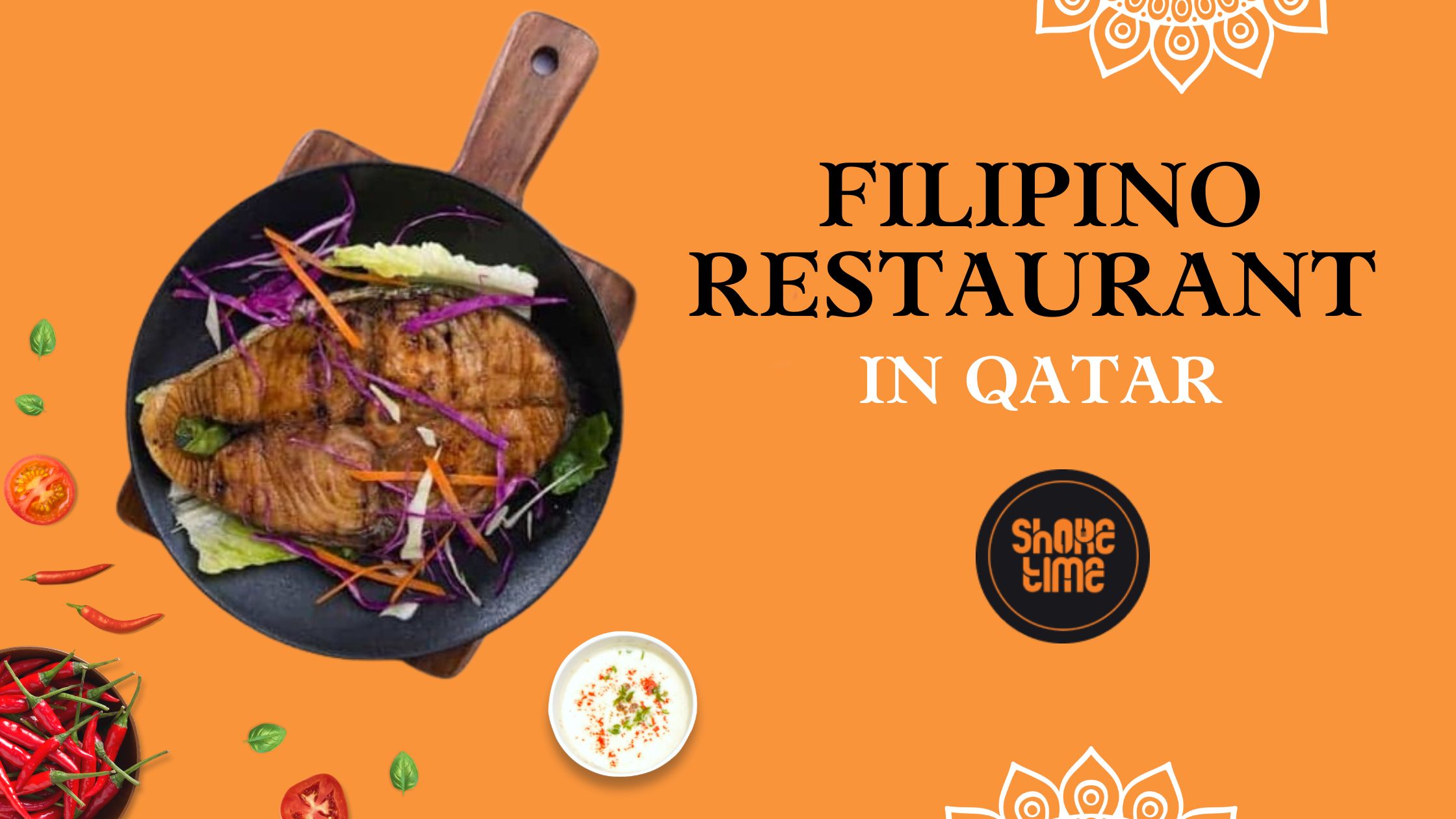
    a fish item in pan with the title of filipino restaurant


    Are you craving for some delicious and authentic Filipino food in Qatar? Look no further than Shore Time Pinoy, a top-rated Filipino restaurant that offers a wide range of mouth-watering dishes that will surely satisfy your appetite. From classic favorites like adobo and sinigang to lesser-known but equally flavorful dishes like kare-kare and dinuguan, Shore Time Pinoy has something for everyone.

    The Ambiance and Atmosphere

    Shor Time Pinoy boasts a cozy and welcoming ambiance that reflects the warmth and hospitality of Filipino culture. The interior design features a mix of traditional and modern elements, creating a unique and stylish space for diners to enjoy their meals. The restaurant also has a spacious outdoor seating area, perfect for those who want to dine al fresco.

    The Menu Highlights

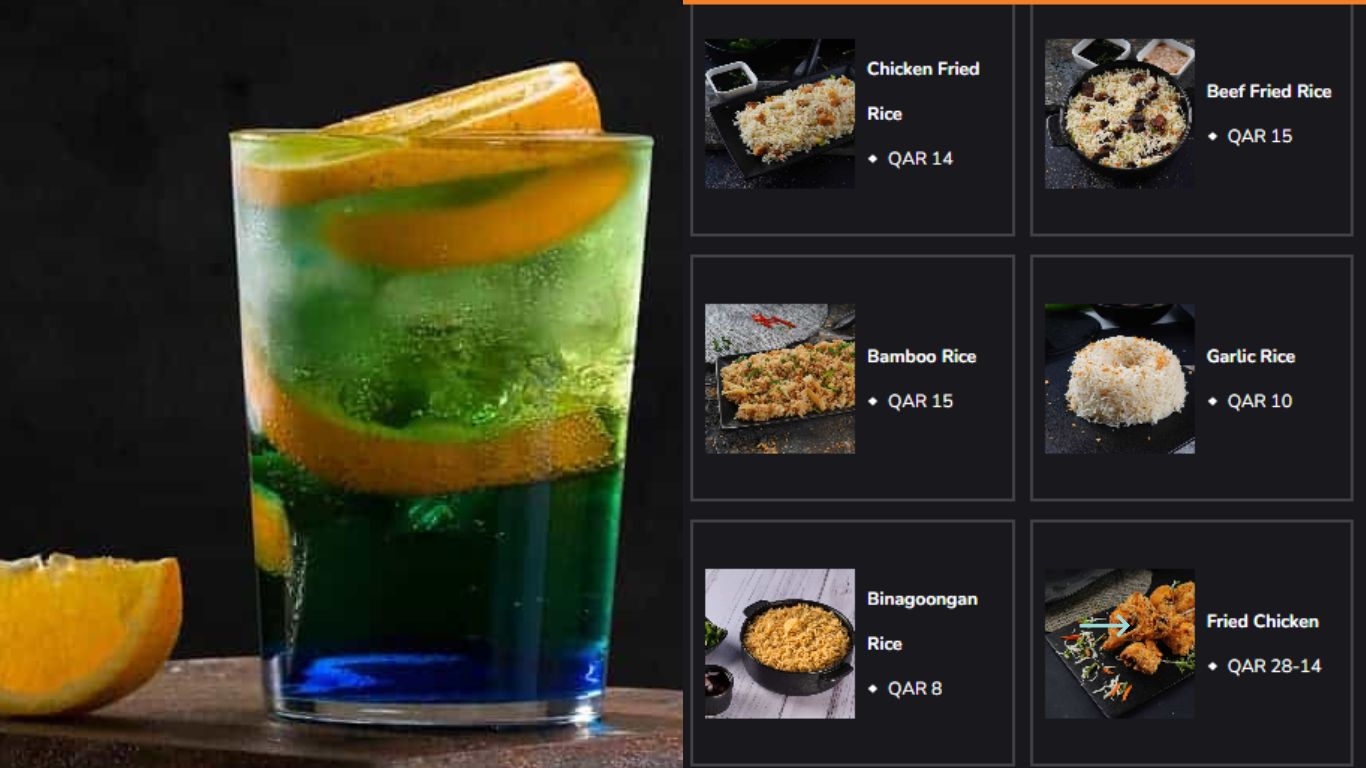
    menu items


    One of the best things about Shore Time Pinoy is their extensive menu, which features a diverse selection of Filipino dishes that are prepared using authentic ingredients and traditional cooking techniques. We offer popular Filipino breakfast to dinner.Some of the must-try items include:

    Adobo: a classic Filipino dish made with chicken or pork that is marinated in a mixture of vinegar, soy sauce, garlic, and other spices, then simmered until tender and flavorful.

    Sinigang: a tangy and savory soup that typically contains meat or seafood, tamarind, and a variety of vegetables.

    Kare-Kare: a rich and creamy stew made with oxtail, peanut sauce, and vegetables.

    Lumpia: a Filipino version of spring rolls that are filled with vegetables, meat, or a combination of both.

    If you are confused about what to eat, check out our post about the Top 10 must-try Filipino dishes in Qatar.

    Suggested reading : 15 Delicious Filipino Veggie Recipes You Must Try!


    The Service and Staff

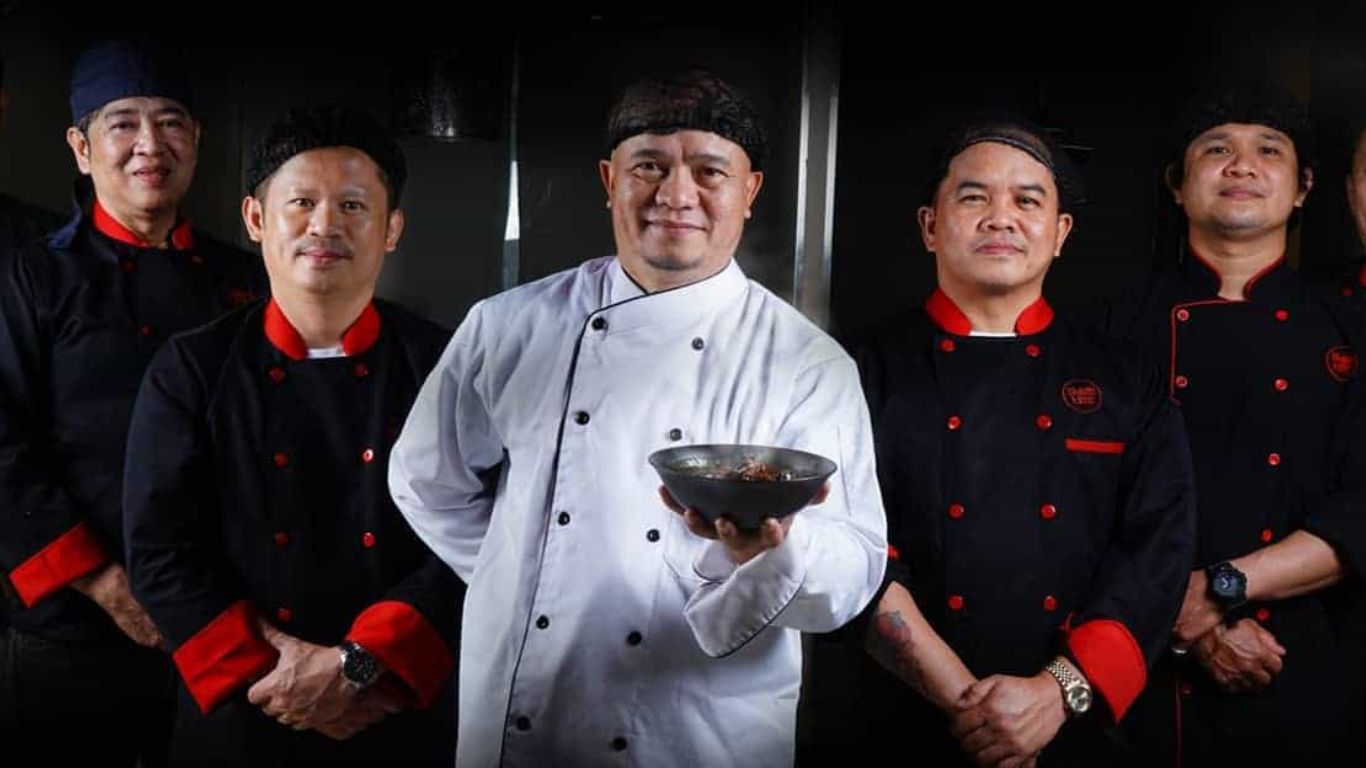
    chefs of shore time pinoy


    This Filipino restaurant in Doha provides a variety of services to ensure a seamless dining experience for its customers. Customers can choose to order their food online, giving them the convenience of placing their order at any time from the comfort of their own home.

    The restaurant also has a spacious dining area for customers who prefer to dine in-house. For those who prefer to enjoy their food in the comfort of their homes, free home delivery is also available. Additionally, the restaurant offers catering services for special events and occasions, making it an excellent choice for hosting gatherings. With a range of services to choose from, this Filipino restaurant in Doha ensures that its customers have access to delicious food and excellent service at all times.

    Aside from the delicious food and inviting atmosphere, Shore Time Pinoy also prides itself on its excellent service and friendly staff. The restaurant’s team is always ready to assist diners with their orders and provide recommendations based on their preferences. They also make sure that all customers are satisfied with their meals and overall dining experience.

    Conclusion

    If you’re looking for a Filipino restaurant in Qatar that offers authentic flavors, a welcoming ambiance, and excellent service, Shore Time Pinoy should definitely be on your list. Whether you’re a Filipino expat missing the taste of home or a curious foodie wanting to explore new cuisines, Shore Time Pinoy is a must-visit destination that will leave you with a satisfied stomach and a happy heart.

    Suggested reading: Top 7 Tips on How to Choose a Filipino Restaurant in Doha